Category: Aviation Insights

  • Airport Ground Staff Career Guide: Roles, Salary and Growth

    Airport Ground Staff Career Guide: Roles, Salary and Growth

    Quick answer: Airport ground staff work in different areas of airport and airline operations, including passenger services, check-in, boarding, baggage, cargo and ground operations. For freshers in India, salary can vary significantly depending on the employer, airport, city and role, with commonly reported entry-level ranges around ₹15,000 to ₹30,000 per month. With experience and promotions, professionals can move into senior, supervisory and airport operations roles.

    Many students who are interested in aviation think only about becoming cabin crew.

    However, airport ground staff is another major career path within the aviation industry.

    What does an Airport Ground Staff member actually do?

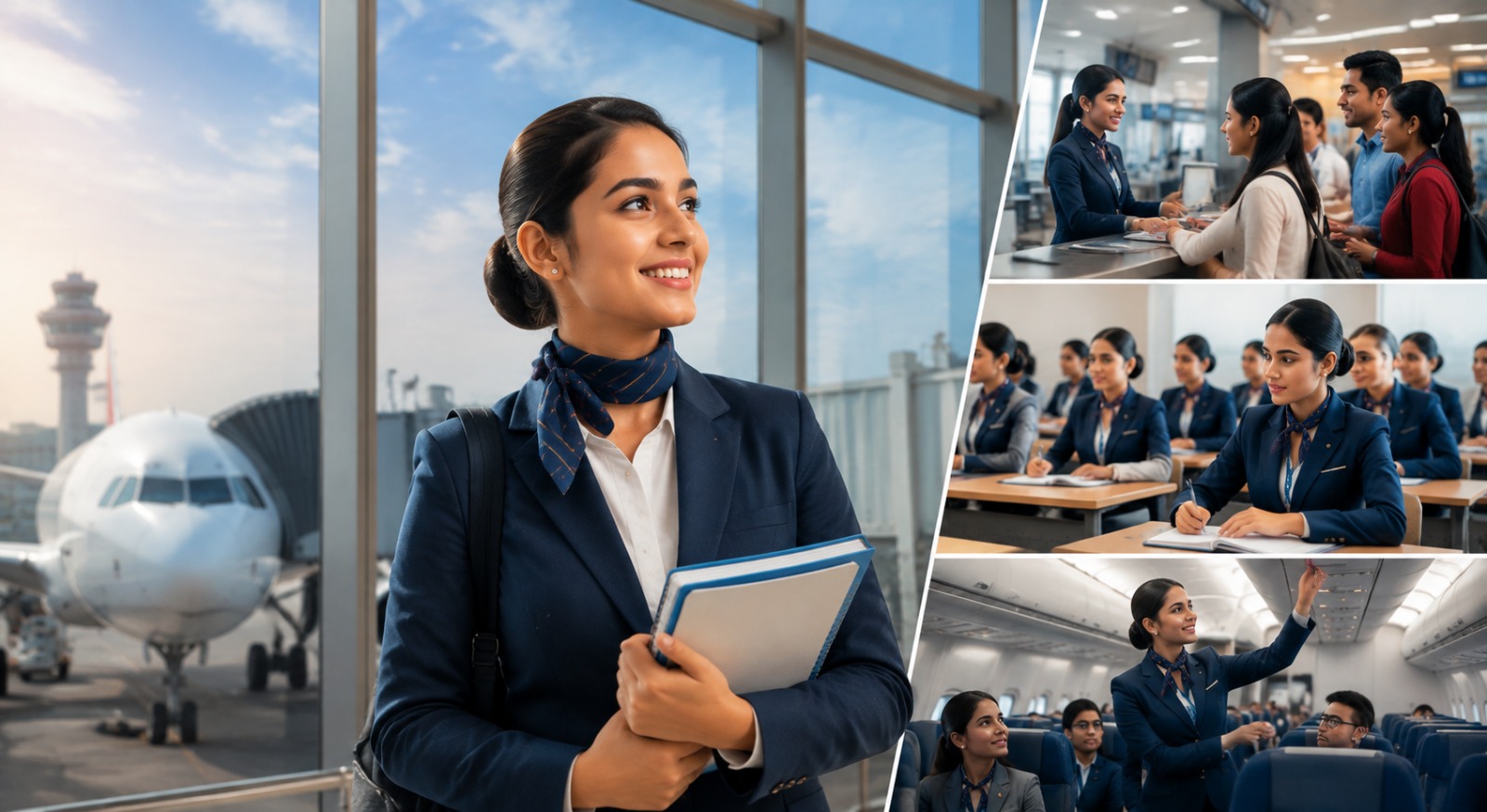
    Airport ground staff are professionals who work on the ground rather than inside the aircraft.

    Their responsibilities depend on the specific department and job role.

    Airport ground staff may work in areas such as:

    • Passenger check-in
    • Boarding gate operations
    • Customer service
    • Baggage handling
    • Ramp operations
    • Ticketing and reservations
    • Cargo operations
    • Airport hospitality
    • Passenger assistance

    Ground staff play an important role in helping airport and airline operations run smoothly.

    What are the different Airport Ground Staff roles?

    “Airport Ground Staff” is a broad term.

    Different professionals perform different responsibilities depending on where they work.

    1. Passenger Service Staff

    Passenger service staff assist travellers at different stages of their airport journey.

    Their responsibilities may include:

    • Assisting passengers
    • Handling enquiries
    • Providing travel information
    • Supporting check-in procedures
    • Helping during boarding

    Communication and customer-service skills are particularly important for these roles.

    2. Check-in Staff

    Check-in staff help passengers complete the check-in process before their flight.

    Depending on the employer and system used, their responsibilities may include checking travel documents, issuing boarding passes and handling baggage-related procedures.

    They need to communicate clearly and remain calm during busy periods.

    3. Boarding Gate Staff

    Boarding staff manage passenger movement at the departure gate.

    Their responsibilities can include:

    • Making passenger announcements
    • Checking boarding documents
    • Assisting passengers
    • Coordinating the boarding process
    • Communicating with other airport teams

    This role requires organisation and strong communication.

    4. Baggage and Ramp Staff

    Baggage and ramp operations involve supporting aircraft turnaround and luggage operations.

    These roles can involve more operational and physical responsibilities than passenger-facing positions.

    Safety procedures and coordination are extremely important in these areas.

    5. Ticketing and Reservation Staff

    Ticketing professionals assist customers with flight bookings and travel-related information.

    They may work with reservation systems and help passengers understand available travel options.

    Computer knowledge and customer-service skills can be useful in these roles.

    6. Cargo Operations Staff

    Cargo staff help support the movement and handling of goods transported through airports.

    Cargo and logistics can offer opportunities for professionals interested in aviation operations beyond passenger service.

    Specialised operational knowledge can help candidates progress in this area.

    What is the eligibility for Airport Ground Staff?

    Eligibility requirements can vary depending on the employer and role.

    Many entry-level airport ground staff opportunities commonly consider candidates who have completed Class 12, while some employers may prefer graduates for particular positions.

    Employers may also assess:

    • Communication skills
    • English language ability
    • Customer-service aptitude
    • Professional grooming
    • Confidence
    • Ability to work shifts

    Always check the current eligibility requirements of the specific employer before applying.

    What skills do Airport Ground Staff need?

    Airport work can be fast-paced and customer-focused.

    Important skills include:

    • Communication
    • Customer service
    • Teamwork
    • Problem-solving
    • Confidence
    • Time management
    • Professional behaviour
    • Adaptability
    • Basic computer knowledge
    • Ability to remain calm under pressure

    Different roles may require additional technical or operational training.

    What salary do Airport Ground Staff earn?

    Salary depends on several factors, including the employer, airport location, job role, experience and responsibilities.

    Recent 2026 career guides commonly place fresher salaries broadly around ₹15,000 to ₹30,000 per month, although actual offers can be lower or higher depending on the organisation and location.

    Career LevelIndicative Monthly Salary
    FRESHER / ENTRY LEVEL₹15,000 – ₹30,000
    EXPERIENCED STAFF₹25,000 – ₹50,000
    SENIOR / SUPERVISORY ROLES₹40,000 – ₹70,000+
    MANAGEMENT ROLESCan be higher depending on employer and responsibility

    These figures are indicative, not guaranteed. Salary can vary significantly depending on the company, city, airport, role and employment conditions.

    What affects an Airport Ground Staff salary?

    Two people working at airports may earn different salaries because of several factors.

    Important factors include:

    1. Employer — Airlines, airport operators and ground-handling companies may have different salary structures.
    2. Job role — Passenger service, cargo and specialised operations can have different pay levels.
    3. Experience — Salary can increase as you gain experience.
    4. Location — Major airports and cities may offer different compensation.
    5. Skills — Additional systems and operational knowledge can improve career opportunities.

    What is the career growth path for Airport Ground Staff?

    Airport ground staff can have opportunities to progress into more senior operational roles.

    A possible career path may look like this:

    Ground Staff → Senior Ground Staff → Team Leader → Supervisor → Duty Manager → Airport Operations Manager

    The exact career path depends on the employer and the department you work in.

    Professionals can also specialise in areas such as passenger services, cargo, ramp operations and airport operations.

    Is Airport Ground Staff a good career for freshers?

    Airport ground staff can be a suitable career for students who are interested in aviation but prefer working on the ground rather than flying.

    The career may suit people who enjoy:

    • Meeting different people
    • Customer service
    • Working in a professional environment
    • Teamwork
    • Aviation operations
    • Solving problems
    • Fast-paced work

    However, students should also understand that airport jobs may involve shift work, early mornings, late nights, weekends and holidays depending on the role and employer.

    What do employers actually look for?

    Your educational qualification may help you meet the basic eligibility requirements.

    Your professional skills can influence how well you perform during recruitment.

    SkillWhy it matters
    COMMUNICATIONHelps you interact clearly with passengers and colleagues
    CUSTOMER SERVICEImportant for passenger-facing roles
    TEAMWORKAirport operations involve coordination between teams
    CONFIDENCEHelps during interviews and professional interactions
    ADAPTABILITYAirport environments can change quickly
    PROBLEM-SOLVINGHelps you handle passenger and operational challenges
    PROFESSIONALISMImportant in a customer-facing workplace
    COMPOSUREHelps you remain calm during busy situations

    If you are preparing for an airport career, you have an advantage that many candidates forget: these skills can be developed before your first job.

    The three mistakes students make most often

    Students interested in airport careers often make these three mistakes.

    1. Thinking all Airport Ground Staff jobs are the same

    Ground staff can work in many different departments.

    Check-in, cargo, ramp operations and customer service all involve different responsibilities.

    Research the role you actually want before applying.

    2. Choosing a course because it promises a guaranteed job

    Training can help students develop communication, industry knowledge and professional skills.

    However, the final hiring decision is always made by the employer according to its recruitment process.

    Always be careful about unrealistic job promises.

    3. Ignoring communication and professional skills

    Some students focus only on completing a course.

    Airport careers can also require strong communication, customer service, teamwork and professional behaviour.

    Developing these skills can help you prepare more effectively for interviews and workplace responsibilities.

    How can you prepare for an Airport Ground Staff career?

    If you are interested in becoming airport ground staff, you can start preparing by:

    1. Completing your Class 12 education.
    2. Improving your English and communication skills.
    3. Developing customer-service skills.
    4. Learning basic computer skills.
    5. Building confidence and professional presentation.
    6. Understanding different airport job roles.
    7. Preparing for interviews.
    8. Checking official employer requirements before applying.

    The most important step is to understand the specific role you want to pursue.

    Frequently Asked Questions

    Q: What does Airport Ground Staff do?

    A: Airport ground staff can work in passenger service, check-in, boarding, baggage, cargo, ticketing and other airport operations depending on their specific role.

    Q: Can I become Airport Ground Staff after 12th?

    A: Many entry-level opportunities consider candidates who have completed Class 12, although exact eligibility requirements vary by employer and role.

    Q: What is the salary of Airport Ground Staff in India?

    A: Recent 2026 guides commonly report fresher salary ranges of approximately ₹15,000 to ₹30,000 per month, but actual salaries vary depending on the employer, airport, city and role.

    Q: Is Airport Ground Staff a good career?

    A: It can be a suitable career for people interested in aviation, customer service and airport operations. Career growth depends on experience, skills, performance and available opportunities.

    Q: What skills are important for Airport Ground Staff?

    A: Communication, customer service, teamwork, confidence, problem-solving, adaptability and professional behaviour are important skills.

    Q: Can boys and girls both become Airport Ground Staff?

    A: Yes. Airport ground staff opportunities are available to eligible male and female candidates, depending on the employer and job requirements.

    Q: Does an Airport Ground Staff course guarantee a job?

    A: No. Training can help candidates prepare and develop relevant skills, but final selection depends on the employer’s requirements and recruitment process.

    Q: What is the career growth after becoming Airport Ground Staff?

    A: With experience, professionals may progress into senior staff, team leader, supervisor, duty management and airport operations roles, depending on their employer and specialisation.
  • Cabin Crew Eligibility, Skills and Requirements Explained

    Cabin Crew Eligibility, Skills and Requirements Explained

    Quick answer: To become a cabin crew member, you generally need to complete Class 12 and meet the specific airline’s requirements for age, height or reach, medical fitness, communication and professional grooming. The exact criteria vary between airlines, so always check the current recruitment requirements before applying.

    Many students are interested in becoming an air hostess or cabin crew member but are confused about the actual eligibility requirements.

    The most important thing to understand is that every airline can have its own recruitment criteria.

    Is “air hostess” the same as cabin crew?

    Mostly yes, although airlines usually use the term Cabin Crew.

    “Air hostess” is commonly used for female cabin crew members, while airlines may advertise positions using terms such as:

    • Cabin Crew
    • Cabin Crew Member
    • Flight Attendant
    • Cabin Attendant
    • Flight Steward

    Male and female candidates can pursue cabin crew careers, depending on the airline’s recruitment requirements.

    What does a cabin crew member actually do?

    Cabin crew is first and foremost a safety and security role, along with passenger service responsibilities.

    A cabin crew member may be responsible for:

    • Conducting pre-flight checks
    • Following safety procedures
    • Assisting passengers during boarding
    • Demonstrating safety procedures
    • Managing emergency situations
    • Providing passenger assistance
    • Serving meals and beverages
    • Handling difficult situations professionally
    • Coordinating with other crew members

    The job also involves working irregular schedules, including weekends, holidays and night shifts.

    What is the educational qualification for cabin crew?

    For many entry-level cabin crew opportunities in India, candidates are generally expected to have completed Class 12 (10+2) from a recognised board.

    A college degree is not always required for entry-level cabin crew recruitment.

    Students from different academic streams, including:

    • Science
    • Commerce
    • Arts/Humanities

    can explore cabin crew careers after completing Class 12, provided they meet the airline’s current requirements.

    What is the age limit for cabin crew?

    Age requirements vary between airlines and recruitment drives.

    For example, current entry-level programmes from major Indian airlines commonly recruit freshers from around 18 years onwards, with upper age limits depending on the airline. Air India’s current programme lists 18–27 years for freshers, while IndiGo also lists 18–27 years for its Cabin Attendant Grade Training programme.

    Because recruitment criteria can change, always check the airline’s official job advertisement before applying.

    What is the height requirement for cabin crew?

    This is one of the most commonly asked questions.

    Height requirements are not the same for every airline.

    Some airlines specify minimum height requirements, while others may also assess whether candidates can safely reach required equipment.

    For example, current Air India requirements list minimum heights of 155 cm for females and 170 cm for males, while IndiGo’s current Cabin Attendant Grade Training criteria list a minimum height of 155 cm for eligible female candidates.

    Do not assume that one height requirement applies to every airline.

    Always check the specific airline you want to apply to.

    What about weight and BMI?

    Airlines generally expect candidates to have weight proportionate to their height and meet their applicable fitness requirements.

    Some airlines specify BMI ranges as part of their recruitment criteria.

    For example, Air India’s current programme includes specific BMI requirements alongside height and other physical criteria.

    Medical and physical standards can vary, so candidates should always check the current requirements of the airline.

    What about eyesight and medical fitness?

    Cabin crew candidates generally need to meet the airline’s applicable medical and fitness standards.

    Requirements may include assessments related to:

    • Vision
    • General physical fitness
    • Medical history
    • Ability to perform safety duties

    For example, Air India’s current cabin crew criteria include normal eyesight requirements and a mandatory pre-employment medical examination.

    Do not rely on outdated information about spectacles, contact lenses or other medical criteria.

    Check the current airline requirements before applying.

    What language skills do cabin crew need?

    Communication is extremely important for cabin crew.

    Candidates commonly need to communicate clearly with passengers and colleagues.

    Many Indian airline recruitment programmes require fluency or strong communication in:

    • English
    • Hindi

    Additional languages can also be useful depending on the airline and routes.

    Good communication does not mean using complicated vocabulary.

    It means speaking clearly, listening carefully and remaining professional.

    What skills do airlines actually look for?

    Meeting the basic eligibility requirements may help you apply.

    Your skills and performance during recruitment can determine whether you move forward.

    Requirement or SkillWhat it involves
    COMMUNICATIONSpeaking and listening clearly and professionally
    CONFIDENCEHandling interviews and professional situations calmly
    CUSTOMER SERVICEAssisting passengers professionally
    TEAMWORKWorking effectively with other crew members
    ADAPTABILITYHandling changing schedules and situations
    PROBLEM-SOLVINGResponding appropriately to challenges
    EMOTIONAL CONTROLRemaining calm under pressure
    GROOMINGMaintaining professional presentation
    SAFETY AWARENESSUnderstanding the importance of safety procedures
    PHYSICAL FITNESSBeing able to perform required duties

    Cabin crew members need a combination of safety awareness, customer service ability and professional communication.

    Is grooming important for cabin crew?

    Yes. Professional grooming is commonly assessed during cabin crew recruitment.

    Airlines may have requirements relating to:

    • Professional appearance
    • Hair and personal grooming
    • Posture
    • Body language
    • Uniform presentation
    • Visible tattoos

    For example, Air India and IndiGo currently specify that tattoos should not be visible while wearing the uniform.

    Remember that grooming requirements are set by individual airlines.

    Can boys become cabin crew?

    Yes.

    Male candidates can work as cabin crew members.

    The position may be advertised using terms such as:

    • Cabin Crew
    • Flight Attendant
    • Cabin Crew Member
    • Flight Steward

    Male and female candidates perform core safety and passenger-service responsibilities, although airlines may have different physical and recruitment criteria.

    Do you need previous experience?

    Not always.

    Some entry-level cabin crew programmes specifically recruit candidates with no previous flying or customer-service experience.

    Air India, for example, states that customer service experience is not mandatory for eligible entry-level applicants.

    However, experience in hospitality or customer service can still help you develop relevant professional skills.

    What happens during a cabin crew interview?

    The exact selection process varies by airline.

    Candidates may go through stages such as:

    StageWhat may be assessed
    INITIAL SCREENINGBasic eligibility and professional presentation
    ASSESSMENTCommunication and role-related abilities
    GROUP ACTIVITYTeamwork and interaction
    PERSONAL INTERVIEWConfidence, motivation and communication
    GROOMING ASSESSMENTProfessional appearance and presentation
    MEDICAL EXAMINATIONApplicable medical and fitness standards

    Air India’s current recruitment journey includes application and assessment, interviews and a mandatory pre-employment medical examination.

    The three mistakes students make most often

    Students preparing for cabin crew careers often make these three mistakes.

    1. Believing every airline has the same eligibility requirements

    Height, age, education and medical requirements can differ between airlines.

    Always check the official recruitment advertisement before applying.

    2. Thinking a cabin crew course guarantees an airline job

    Training can help you develop communication, grooming, interview and professional skills.

    However, the final hiring decision is made by the airline according to its recruitment process.

    3. Ignoring communication and confidence

    Many students focus only on physical eligibility.

    Communication, confidence, customer service and the ability to remain calm can also be extremely important during recruitment.

    How can you prepare for a cabin crew career?

    If you are interested in becoming cabin crew, you can start preparing by:

    1. Completing your Class 12 education.
    2. Improving your English and communication.
    3. Developing confidence and professional presentation.
    4. Learning about customer service.
    5. Practising interview questions.
    6. Researching airline eligibility requirements.
    7. Applying through official airline recruitment channels when eligible.

    The most important step is to understand the requirements of the specific airline you want to join.

    Frequently Asked Questions

    Q: What is the minimum qualification for cabin crew?

    A: Many entry-level cabin crew opportunities in India require candidates to have completed Class 12 from a recognised board, although exact requirements vary by airline.

    Q: Can I become cabin crew after Class 12?

    A: Yes. After completing Class 12, you can apply for suitable cabin crew opportunities if you meet the airline’s current age, physical, communication and medical requirements.

    Q: Is a degree required to become cabin crew?

    A: A degree is not always required for entry-level cabin crew positions. Many current programmes accept candidates who have completed Class 12.

    Q: What skills are important for cabin crew?

    A: Important skills include communication, customer service, teamwork, confidence, adaptability, problem-solving and the ability to remain calm under pressure.

    Q: Can boys become cabin crew?

    A: Yes. Male candidates can apply for cabin crew positions where they meet the airline’s eligibility requirements.

    Q: Is there one fixed height requirement for all airlines?

    A: No. Height and reach requirements can vary between airlines. Always check the current requirements of the airline you want to apply to.

    Q: Does completing a cabin crew course guarantee a job?

    A: No. Training can help candidates prepare for recruitment, but final selection depends on the airline’s eligibility requirements and recruitment process.

    Q: What is the most important thing to remember before applying?

    A: Always check the official and current eligibility criteria of the specific airline before applying, because recruitment requirements can change.

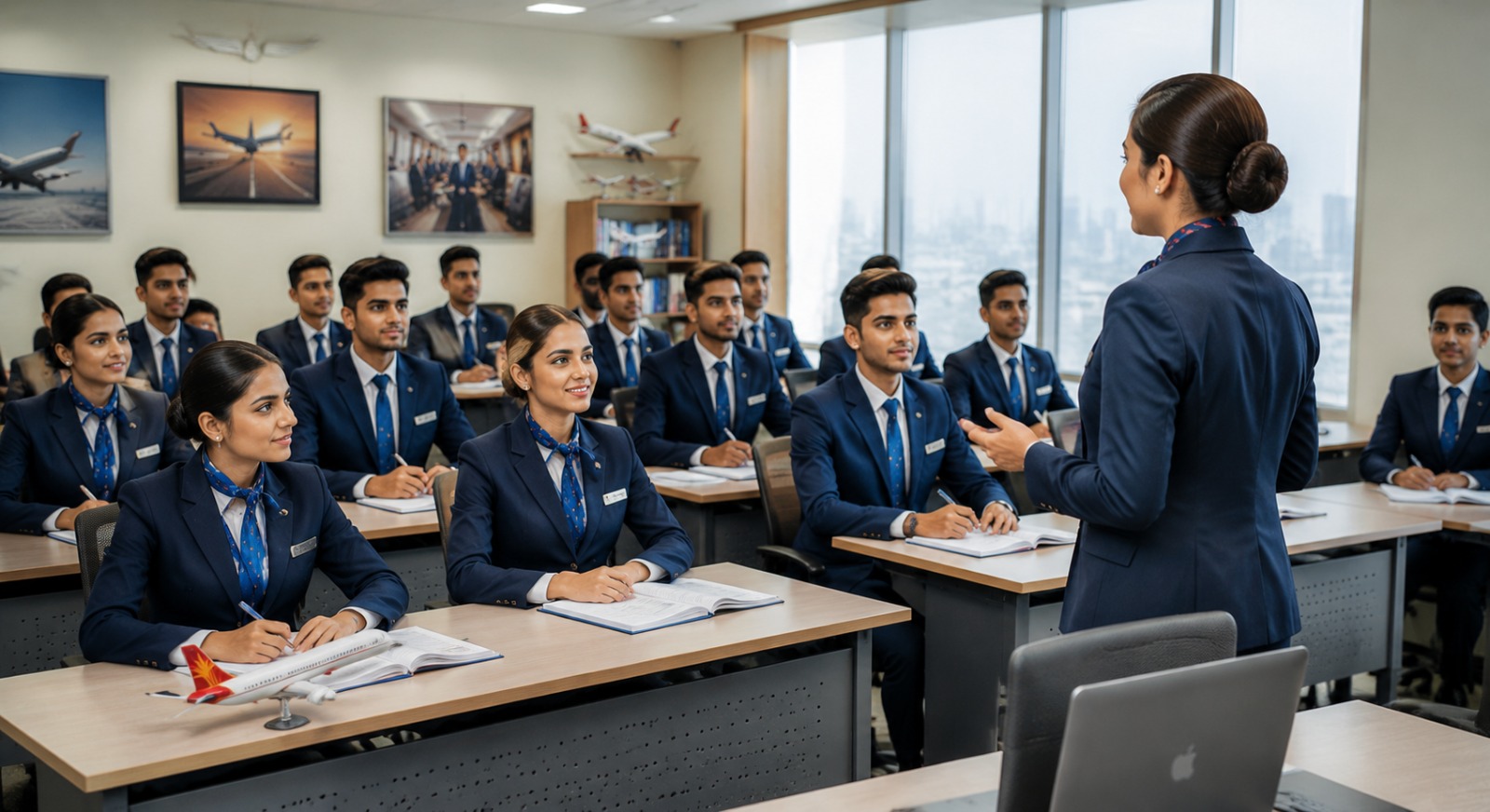
  • Life at Amigo Academy: Inside the Classroom

    Life at Amigo Academy: Inside the Classroom

    Quick answer: Life at Amigo Academy is designed to go beyond traditional classroom learning. Students receive training focused on communication, grooming, personality development, industry knowledge and practical skills for careers in aviation, hospitality, travel and customer service.

    For students, joining a professional training programme is not only about attending lectures and completing a course.

    What is learning inside the classroom like?

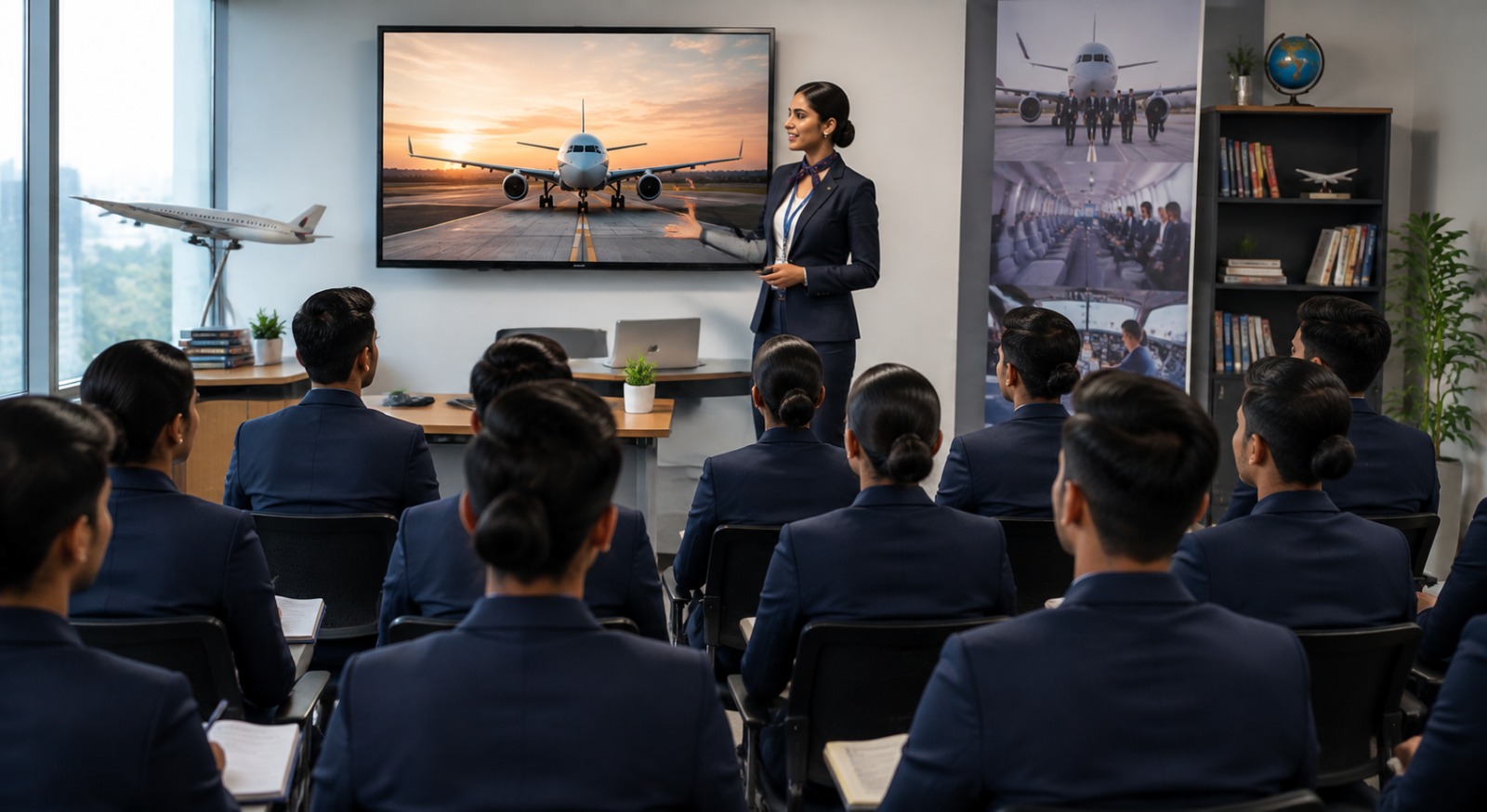
    Classroom learning at Amigo Academy is focused on helping students develop knowledge alongside professional skills.

    The academy describes its training approach as combining theory with industry-oriented practical sessions and personalised guidance.

    Students are encouraged to develop skills that can be useful when preparing for careers in aviation, hospitality, travel and customer service.

    What do students learn at Amigo Academy?

    Training can cover different areas depending on the programme.

    Students may develop knowledge and skills related to:

    • Communication skills
    • Grooming
    • Personality development
    • Customer service
    • Interview skills
    • Aviation and airport operations
    • Hospitality
    • Travel and tourism

    The purpose is to help students become more comfortable with professional expectations.

    Why is communication important in the classroom?

    Communication is an important part of many aviation and customer-facing careers.

    Students need to learn how to express themselves clearly, listen carefully and interact professionally with other people.

    Classroom activities and regular practice can help students become more comfortable speaking and presenting their ideas.

    Confidence often develops gradually through consistent practice.

    Learning Beyond Traditional Lectures

    Professional training is not always limited to listening to a trainer.

    Students may also participate in activities designed to improve practical understanding and professional behaviour.

    Amigo Academy states that its training includes practical learning, mentoring and additional support for students who need assistance.

    This approach helps make learning more interactive.

    Grooming and Professional Presentation

    Professional presentation is another important part of preparing for customer-facing careers.

    Students can learn about grooming, posture and professional behaviour.

    Grooming is not simply about appearance.

    It is also about understanding how to present yourself confidently and professionally in interviews and workplace situations.

    Technology and Learning

    Modern learning can also include digital resources.

    Amigo Academy states that it provides students with access to online learning resources, including educational videos, tutorials and platforms for assignments and projects.

    These resources can support classroom learning and allow students to continue developing their knowledge outside regular sessions.

    What Skills Do Students Develop?

    Professional training involves more than completing academic modules.

    Students can work on developing important workplace skills.

    AreaWhat students can develop
    COMMUNICATIONClear and professional interaction
    CONFIDENCEAbility to express themselves comfortably
    GROOMINGProfessional presentation and awareness
    TEAMWORKWorking and interacting with others
    CUSTOMER SERVICEUnderstanding professional customer interaction
    INTERVIEW SKILLSPreparation for professional opportunities

    Students who practise these skills regularly can become more comfortable in professional environments.

    The Three Things That Make Classroom Life Different

    Students preparing for professional careers often discover that learning involves more than textbooks.

    1. Learning Through Practice

    Skills such as communication and confidence improve through regular practice.

    Students get opportunities to work on how they speak, present themselves and interact with others.

    2. Developing Professional Confidence

    Many students feel nervous when they first speak in front of others.

    Regular classroom participation can help students gradually become more comfortable and confident.

    3. Preparing for the Professional World

    The classroom can help students understand the expectations of professional environments.

    Students learn that punctuality, communication, teamwork and professional behaviour can all be important in their future careers.

    More Than Just a Classroom

    Life at Amigo Academy is about learning, practising and preparing for future opportunities.

    The academy describes its infrastructure as including air-conditioned classrooms, LCD projectors, audio-visual teaching aids and student support facilities designed to support training and learning.

    For students, the classroom can become the starting point for developing the knowledge and professional skills needed for their chosen career.

    Frequently Asked Questions

    Q: What is classroom life like at Amigo Academy?

    A: Classroom life focuses on professional learning and skill development, including communication, grooming, personality development and industry-oriented training.

    Q: Does Amigo Academy provide practical training?

    A: Amigo Academy states that its training approach includes practical and industry-oriented learning alongside theoretical education.

    Q: What skills can students develop during training?

    A: Students can develop skills related to communication, professional presentation, customer service, personality development and interview preparation.

    Q: Does learning continue outside the classroom?

    A: Amigo Academy states that students can access digital learning resources, including educational videos, tutorials, assignments and projects.

    Q: Why is communication training important?

    A: Communication is important for many professional and customer-facing careers because employees need to interact clearly and professionally with customers, colleagues and employers.

    Q: Does training guarantee a job?

    A: No. Amigo Academy states that it does not provide a job guarantee, although it offers placement assistance and career-related support to students.

  • Highlights from Amigo Academy Annual Seminar 2026

    Highlights from Amigo Academy Annual Seminar 2026

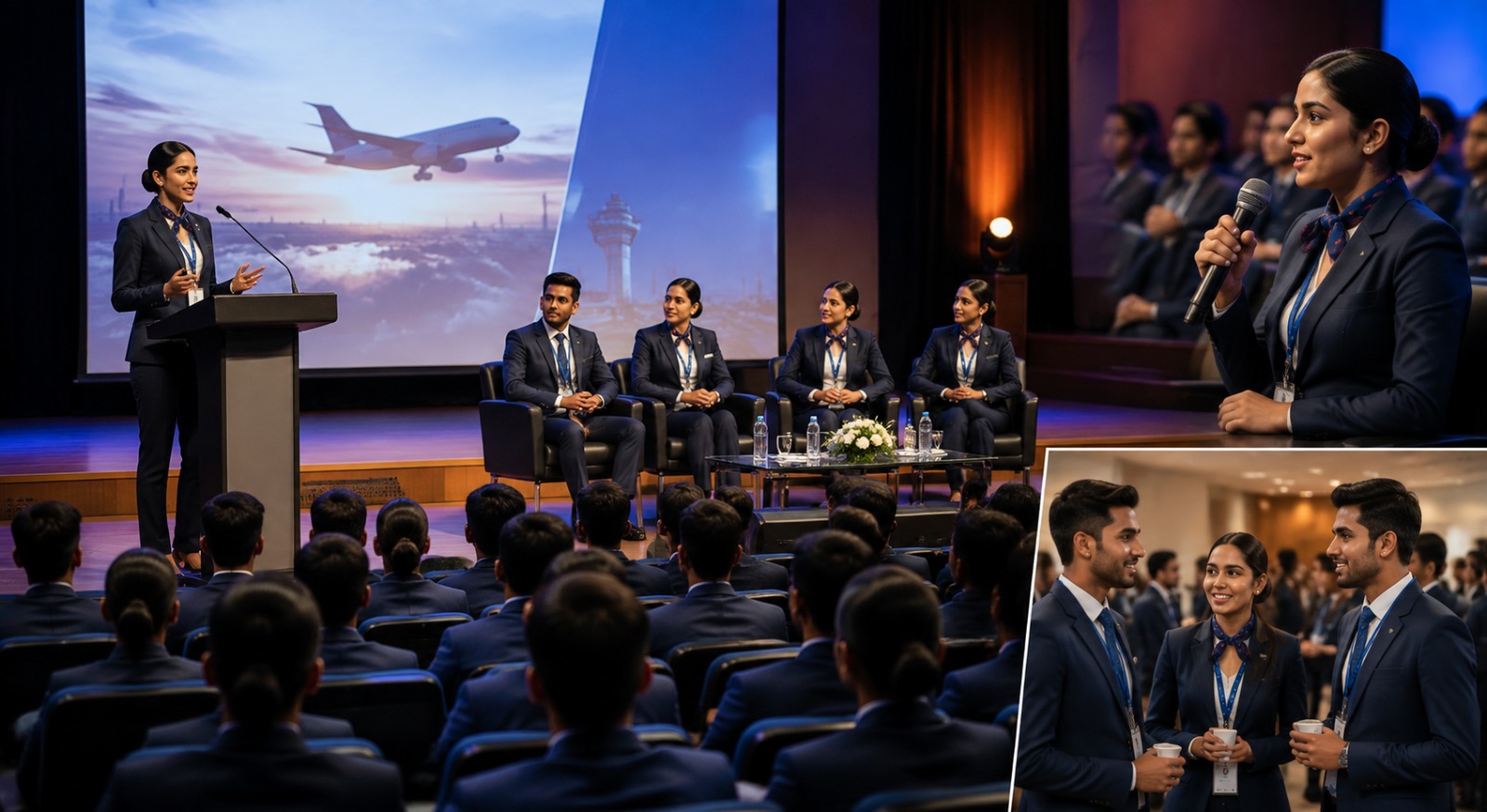
    Quick answer: Amigo Academy’s Annual Seminar 2026 brought students together to explore career opportunities, professional development, communication, confidence and the skills required for careers in aviation, hospitality and customer service.

    The annual seminar provided students with an opportunity to learn beyond the regular classroom environment.

    What was the purpose of the Annual Seminar?

    The seminar was designed to bring students together for learning, professional development and career-focused discussions.

    Amigo Academy focuses on developing skills related to aviation, hospitality, travel and customer service, along with communication and personality development.

    The seminar created an opportunity for students to think about their career goals and the professional skills they need to develop.

    Career Guidance and Industry Awareness

    One of the important aspects of a career-focused seminar is helping students understand the professional world beyond their course.

    Students can learn about:

    • Aviation career opportunities
    • Hospitality careers
    • Customer service roles
    • Professional expectations
    • Communication skills
    • Career planning

    Understanding the industry can help students make more informed decisions about their future.

    Focus on Communication and Confidence

    Communication and confidence are important skills for students preparing for customer-facing careers.

    During professional development activities, students can learn why clear communication, confidence and professional behaviour matter when interacting with employers, customers and colleagues.

    These skills are particularly relevant to careers involving aviation, hospitality and customer service.

    Professional Grooming and Presentation

    Professional presentation can also play an important role when students prepare for interviews and workplace environments.

    Students need to understand that grooming is not simply about appearance.

    It also involves professionalism, posture, communication and how confidently a person presents themselves.

    Learning Beyond the Classroom

    Amigo Academy’s training approach includes practical and professional skill development alongside classroom learning. Its programmes emphasise areas such as communication, personality development and industry-oriented training.

    Events and seminars can give students additional opportunities to engage with career-related topics.

    They can also encourage students to learn from experiences outside their regular training sessions.

    What Skills Were Important for Students?

    Career preparation involves more than completing a course.

    Students preparing for professional opportunities should continue developing important workplace skills.

    AreaWhy it matters
    COMMUNICATIONHelps students interact clearly and professionally
    CONFIDENCEHelps candidates express themselves during interviews
    TEAMWORKImportant in professional and customer-facing environments
    GROOMINGSupports professional presentation
    CUSTOMER SERVICEImportant for aviation and hospitality careers
    ADAPTABILITYHelps professionals handle changing situations

    Students who start developing these skills early can feel better prepared for future opportunities.

    The Three Important Lessons for Students

    Career seminars can provide useful reminders about professional preparation.

    1. Skills Matter Along With Qualifications

    Completing a qualification is important, but employers may also assess communication, confidence and professional behaviour.

    Students should continue developing these skills throughout their training.

    2. Career Preparation Takes Time

    Confidence and communication do not develop overnight.

    Regular practice, training and real-world learning experiences can help students improve gradually.

    3. Learning Should Continue Beyond the Classroom

    The professional world continues to change.

    Students who remain open to learning and developing new skills can better prepare themselves for future career opportunities.

    A Step Towards Future Career Goals

    The Annual Seminar 2026 represented another opportunity for students to focus on professional growth and career preparation.

    Amigo Academy has been focused on training students for careers connected with aviation, hospitality, travel and customer service since its establishment, with an emphasis on practical and professional development.

    For students, the most important takeaway is to continue learning, practising and developing the skills required for their chosen career.

    Frequently Asked Questions

    Q: What was the purpose of the Amigo Academy Annual Seminar 2026?

    A: The seminar focused on student learning, professional development, career awareness and the importance of developing skills for future career opportunities.

    Q: What careers does Amigo Academy focus on?

    A: Amigo Academy focuses on training related to aviation, hospitality, travel and customer service.

    Q: Why are seminars useful for students?

    A: Seminars can help students gain additional knowledge, understand professional expectations and explore different aspects of career development.

    Q: What skills should students develop for professional careers?

    A: Important skills include communication, confidence, teamwork, professional presentation, customer service and adaptability.

    Q: Does Amigo Academy provide practical training?

    A: Amigo Academy describes its training approach as including practical and industry-oriented learning alongside professional skill development.

    Q: Does career training guarantee a job?

    A: No. Training can help students develop relevant skills and prepare for opportunities, but final hiring decisions depend on employers and their recruitment processes. Amigo Academy states that it provides placement assistance rather than a job guarantee.

  • Amigo Academy Hosts Aviation Career Workshop

    Amigo Academy Hosts Aviation Career Workshop

    Quick answer: An aviation career workshop can help students understand different career opportunities in the aviation industry, including Cabin Crew, Airport Ground Staff, customer service and hospitality roles. Amigo Academy provides training and career guidance for students interested in building professional skills for aviation-related careers.

    Choosing a career can be confusing for students, especially when they are interested in an industry as broad as aviat

    What is an Aviation Career Workshop?

    An aviation career workshop is designed to introduce students to the aviation industry and its different career opportunities.

    Students can learn about the responsibilities, skills and professional expectations associated with different aviation-related roles.

    The workshop can help students understand that aviation offers opportunities beyond becoming an air hostess or cabin crew member.

    What Career Opportunities Can Students Explore?

    The aviation industry includes different professional roles.

    Students interested in aviation can explore areas such as:

    • Cabin Crew
    • Airport Ground Staff
    • Airline Customer Service
    • Airport Operations
    • Hospitality
    • Travel and Tourism
    • Passenger Handling

    Understanding these options can help students make more informed career decisions.

    What Does Amigo Academy Focus On?

    Amigo Academy focuses on training students for careers related to aviation, hospitality, travel and customer service. Its training approach includes areas such as communication, grooming, personality development, interview skills and practical learning.

    Career guidance and professional skill development can help students understand what employers may expect during recruitment.

    Why Are Aviation Career Workshops Useful for Students?

    Many students know they are interested in aviation but may not know which role is suitable for them.

    A workshop can help students understand:

    • Different aviation career options
    • Basic eligibility requirements
    • Important professional skills
    • Communication expectations
    • Grooming and presentation
    • Interview preparation
    • Career planning

    This information can help students make better decisions before choosing a professional course.

    What Skills Are Important for an Aviation Career?

    Aviation and customer-facing roles often require more than academic qualifications.

    Students may need to develop:

    • Communication skills
    • Confidence
    • Professional grooming
    • Customer service skills
    • Teamwork
    • Problem-solving
    • Professional behaviour
    • Interview skills

    These skills can be developed gradually through training and regular practice.

    What Do Students Learn During Career Guidance Sessions?

    Career guidance sessions can help students understand the difference between being interested in an industry and preparing for a professional role.

    Students can explore what different jobs involve and what employers may expect from candidates.

    Career AreaSkills Students May Need
    CABIN CREWCommunication, grooming, customer service and confidence
    AIRPORT GROUND STAFFPassenger handling, communication and customer service
    HOSPITALITYProfessional behaviour and customer interaction
    AIRLINE CUSTOMER SERVICECommunication, problem-solving and passenger assistance
    TRAVEL & TOURISMCustomer service, communication and industry knowledge

    Students who understand these requirements early have more time to develop the skills needed for their chosen career.

    The Three Mistakes Students Make When Choosing an Aviation Career

    Students sometimes make career decisions without understanding the industry properly.

    1. Choosing a Career Without Research

    Some students select a course simply because they like the idea of working in aviation.

    Before choosing a career path, understand the responsibilities, eligibility requirements and professional expectations.

    2. Believing Training Guarantees a Job

    Training can help students develop relevant knowledge and professional skills.

    However, final recruitment decisions are made by employers based on their own requirements and selection processes.

    3. Ignoring Communication and Professional Skills

    Students sometimes focus only on completing a course.

    Communication, confidence, grooming and professional behaviour can also play an important role in customer-facing careers.

    Frequently Asked Questions

    Q: What is an aviation career workshop?

    A: An aviation career workshop helps students understand different career opportunities in aviation and the skills required for professional roles.

    Q: Who can attend an aviation career workshop?

    A: Students interested in aviation, Cabin Crew, Airport Ground Staff, hospitality and customer service careers can benefit from career guidance workshops.

    Q: What careers can students explore in aviation?

    A: Students can explore careers such as Cabin Crew, Airport Ground Staff, airline customer service, airport operations, hospitality and travel-related roles.

    Q: Does an aviation workshop guarantee a job?

    A: No. A workshop or training programme can help students prepare, but employment depends on employer requirements and the recruitment process.

    Q: What skills are important for aviation careers?

    A: Communication, confidence, professional grooming, customer service, teamwork and problem-solving are important skills for many aviation-related roles.

    Q: Does Amigo Academy provide aviation career training?

    A: Amigo Academy provides training focused on aviation, hospitality, travel and customer service, with an emphasis on professional and practical skill development.

  • How to Become an Air Hostess After 11th

    How to Become an Air Hostess After 11th

    Quick answer: You generally cannot become an air hostess or cabin crew member immediately after Class 11 because airlines commonly require candidates to have completed Class 12. However, Class 11 is a good time to start preparing for a cabin crew career. You can use this year to improve your spoken English, communication, confidence, grooming and presentation while completing your Class 12 education.

    If you are currently studying in Class 11 and already interested in cabin crew, you do not need to rush into an expensive course. The first thing to understand is that airlines do not hire candidates simply because they completed a cabin crew course. They hire candidates who meet their eligibility requirements and successfully pass the selection process.

    A training course can help you prepare for the interview, grooming round and group discussion, but it does not guarantee an airline job.

    This article covers what you can do after Class 11, when you can actually apply, what airlines look for and how you can use your Class 11 and Class 12 years to become a stronger cabin crew candidate.

    Is “air hostess” the same as cabin crew?

    Mostly yes, and the difference is worth knowing before you start searching. “Air hostess” is the term commonly used in India, usually for female cabin crew. Airlines themselves generally use terms such as cabin crew, cabin crew member or flight attendant, and they recruit both women and men.

    Practical consequence: if you search only for “air hostess vacancy,” you may miss opportunities listed under “cabin crew” or “flight attendant.” When you are ready to apply after Class 12, search using the terminology used by the airline itself.

    What does an air hostess actually do?

    Worth being clear about. Cabin crew is first and foremost a safety role, with passenger service forming an important part of the job. It is not simply a job involving travel and serving passengers.

    • Safety first: pre-flight safety checks, safety demonstrations and following emergency procedures when required.
    • Boarding: helping passengers find their seats, managing cabin baggage and ensuring passengers follow safety requirements.
    • In-flight service: serving meals and beverages and assisting passengers during the flight.
    • Difficult situations: helping unwell passengers, dealing with anxious travellers and managing passenger disagreements professionally.
    • Working as a crew: coordinating with other cabin crew members and the flight deck throughout the flight.
    • The hours: early mornings, late nights, weekends, festivals and nights away from home can all be part of the job depending on the roster.

    If this sounds like a career you would enjoy, Class 11 is a good time to understand the responsibilities before you eventually apply.

    Can you become an air hostess after 11th, or do you need a degree?

    You generally cannot apply for airline cabin crew immediately after Class 11, because airlines commonly require candidates to have completed Class 12. A degree is usually not required for entry-level cabin crew recruitment, but the exact educational requirements vary by airline.

    You also generally do not need a particular academic stream. Students from Science, Commerce and Arts/Humanities can pursue cabin crew after completing Class 12, provided they meet the airline’s current eligibility requirements.

    If you are in Class 11, your priority should therefore be completing Class 12 while developing the skills airlines assess during recruitment.

    What matters far more than your Class 11 stream is your communication, confidence, professional presentation and ability to handle yourself in front of an interview panel. These are skills you can start developing now.

    What is the age limit for an air hostess?

    Airlines set their own age criteria, and these can vary by airline and recruitment drive. Because requirements can change, you should check the current eligibility criteria of the airline you want to join rather than relying on an age limit published elsewhere.

    If you are still in Class 11, you have time to research different airlines and understand their requirements before you become eligible to apply.

    At Amigo Academy the Cabin Crew programme admits students aged 17 to 24, which means students can begin structured training within that age range. However, admission to a training programme and eligibility for employment with an airline are two different things.

    What is the height requirement, honestly?

    This is the question we are asked most, and it deserves a straight answer rather than a reassuring one.

    Height requirements are not identical across airlines. Some airlines specify a minimum height, while others may assess arm reach because cabin crew need to be able to access overhead safety equipment. Requirements can also change between recruitment drives.

    If you are currently in Class 11, do not assume that one height figure found online applies to every airline. Instead, make a list of the airlines you are interested in and check their current requirements when you are ready to apply.

    It is also important to understand the difference between an institute’s admission criteria and an airline’s hiring criteria. Meeting the admission requirements of a training institute does not automatically mean you meet an airline’s recruitment requirements.

    What we tell students who are below the requirement

    If your height or reach is below the requirement of the airlines you want to apply to, you should know that before spending money on cabin crew training.

    Being in Class 11 does give you time to explore your options. You can research other aviation careers, including Airport Ground Staff, which does not carry the same cabin crew physical requirements.

    There is no responsible way for an institute to guarantee that a student will grow to a particular height or that an airline will select them. If you are still growing, you can continue to monitor your eligibility, but your final application should always be based on the airline’s current requirements.

    Can boys become cabin crew or air hostesses?

    Yes. Male candidates can become cabin crew and are employed by airlines in India and internationally. The role may be advertised as flight steward, cabin crew member, flight attendant or in-flight attendant.

    Male and female cabin crew members perform the same core safety and passenger-service responsibilities, although individual airlines may have different eligibility standards for height, grooming and other requirements.

    If you are a boy studying in Class 11 and interested in aviation, you can start preparing now and apply for suitable cabin crew opportunities once you complete Class 12 and meet the airline’s current criteria.

    What do airlines actually screen for?

    Paper eligibility gets you into the room. Your performance during the selection process determines whether you move forward.

    StageWhat is being assessed
    INITIAL SCREENINGBasic eligibility, grooming, presentation and confidence
    GROUP DISCUSSIONCommunication, listening, teamwork and ability to express your views
    PERSONAL INTERVIEWSpoken English, confidence, composure, motivation and situational responses
    GROOMING ROUNDProfessional appearance, posture, hair and overall presentation according to airline policy
    MEDICALVision, general fitness and the airline’s own medical standards

    If you are in Class 11, you have an advantage that many candidates do not: time to practise. You can work on communication and confidence long before you attend your first airline interview.

    The three mistakes we see most often in first airline interviews

    Our trainers see the same three issues come up repeatedly when students attend their first airline interview. None of them are about which stream they studied in Class 11. They are skills that can be developed with consistent practice.

    1. Grooming

    Students sometimes underestimate how important professional presentation is during an aviation interview. Hair, posture, clothing, hygiene and attention to detail all contribute to the overall impression you make.

    Starting to develop good grooming habits in Class 11 means you will not have to learn everything immediately before your first interview.

    2. Confidence

    A student may know the answer but freeze when asked a question by an interview panel. They may speak too softly, hesitate or struggle to explain their thoughts.

    Class 11 is an ideal time to practise presentations, group discussions, public speaking and everyday conversations so that speaking confidently becomes more natural.

    3. Communication

    Good cabin crew communication is not about using complicated vocabulary. It is about listening carefully, understanding what has been asked, answering clearly and remaining polite and composed.

    Reading, speaking English regularly and participating in classroom discussions can help you build this ability before you reach the recruitment stage.

    Frequently Asked Questions

    Q: Can I become an air hostess after 11th?

    A: You generally cannot apply for airline cabin crew immediately after Class 11 because airlines commonly require candidates to have completed Class 12. However, you can start preparing for a cabin crew career while studying in Class 11.

    Q: Can I join a cabin crew course after 11th?

    A: Some training institutes may offer programmes to students before Class 12 completion, but completing a course does not replace the airline’s educational eligibility requirement. You should check both the institute’s admission criteria and the airline’s current recruitment requirements.

    Q: Which stream should I choose in Class 11 to become an air hostess?

    A: There is generally no compulsory Class 11 stream for cabin crew. Science, Commerce and Arts/Humanities students can pursue cabin crew after completing Class 12, subject to the airline’s current eligibility requirements.

    Q: What should I do in Class 11 to prepare for cabin crew?

    A: Focus on completing your studies while improving spoken English, communication, confidence, grooming, presentation, teamwork and customer-service skills. You can also research airline requirements so you know what to expect after Class 12.

    Q: Can boys become cabin crew after 11th?

    A: Boys can pursue cabin crew after completing Class 12 and meeting the airline’s current eligibility requirements. While studying in Class 11, they can start preparing their communication, confidence and professional presentation.

    Q: Is there a cabin crew course after 12th in Mumbai?

    A: Yes. Amigo Academy provides a 6-month Maharashtra Government Certified Cabin Crew & Hospitality Management programme across Ghatkopar, Andheri, and Thane campuses.

  • How to Become an Air Hostess After 12th

    How to Become an Air Hostess After 12th

    Quick answer: Yes, you can become an air hostess after Class 12 — no degree is required and no particular stream. Airlines recruit adult candidates who meet their own current age, education, medical and physical requirements, and those criteria vary by airline and by recruitment drive. A training course is not compulsory and does not get you hired. What it can do is help you prepare for important parts of the selection process — the interview, the grooming round and the group discussion.

    If you have just finished 12th and you are looking at cabin crew, the first thing worth understanding is that airlines do not hire you because you completed a course. They hire you because you passed their selection process. Any institute that suggests otherwise is selling you something.

    That said, the selection process is where many first-time candidates come unstuck — not on paper eligibility. This article covers what airlines actually check, what you can influence, and what a course can and cannot do for you.

    Is “air hostess” the same as cabin crew?

    Mostly yes, and the difference is worth knowing before you start searching. “Air hostess” is the term almost everyone in India uses, usually for female crew. Airlines themselves advertise the role as cabin crew, cabin crew member or flight attendant, and they recruit both women and men into it.

    Practical consequence: if you search job sites for “air hostess vacancy” you will find a fraction of what is actually open. Search the airline’s own term instead. Throughout this article we use both, because you will meet both.

    What does an air hostess actually do?

    Worth being clear about. Cabin crew is first and foremost a safety role, with passenger service forming an important part of the job — something people often realise only after they start.

    • Safety first: pre-flight equipment checks, safety demonstrations, and handling emergency procedures if they are ever needed. This is the part airlines train hardest on.
    • Boarding: assisting passengers, managing cabin baggage, checking seatbelts and exits.
    • In-flight service: meals, beverages, duty-free, and attending to passenger requests through the flight.
    • Difficult situations: unwell passengers, anxious flyers, disagreements between passengers, occasionally people who have had too much to drink.
    • Working as a crew: coordinating with the rest of the cabin crew and the flight deck throughout.
    • The hours: early starts, late finishes, weekends, festivals, and nights away from home depending on your roster.

    If that sounds like work you would enjoy, the rest of this article is worth reading. If the last two points give you pause, read the fit section further down before you spend anything.

    Can you become an air hostess after 12th, or do you need a degree?

    A Class 12 qualification is commonly sufficient to apply, and a specific academic stream is generally not required — Science, Commerce and Arts students all apply. Eligibility criteria vary by airline, so check the current requirements of the airline you want to apply to. A degree is not usually a requirement.

    What matters far more is spoken English, presentation, and how you handle yourself in front of a panel. Those are learnable. Your stream is not something you need to worry about.

    What is the age limit for an air hostess?

    Airlines set their own age criteria and these vary by carrier and by recruitment drive. Check the current requirements on the careers page of the airline you intend to apply to rather than relying on a figure quoted elsewhere — including here.

    At Amigo Academy the Cabin Crew programme admits students aged 17 to 24, which means a student who joins at 17 finishes training with several years of eligibility ahead of them.

    What is the height requirement, honestly?

    This is the question we are asked most, and it deserves a straight answer rather than a reassuring one.

    Height requirements are not the same across airlines. Some specify a minimum height; others assess arm reach instead, since the practical requirement is being able to reach overhead safety equipment. Requirements also change between recruitment drives, so a figure you read on a forum two years ago may no longer hold.

    Two things are worth being clear about. First, an institute’s admission criteria and an airline’s hiring criteria are different things — meeting ours does not mean you meet theirs, and we will not let you believe otherwise. Second, if you are below the standard for the airlines you want to apply to, you should know that before you pay for training, not after.

    Our cabin crew height guide sets out both the airline standards and Amigo’s own admission criteria in full. If you are unsure where you stand, a counselling session will go through the current requirements with you and cover alternatives where cabin crew is not a realistic fit.

    What we tell students who are below the requirement

    If your height is below the requirement of the airlines you want to apply to, we say so directly, and we will usually point you towards our Airport Ground Staff programme instead — a career in aviation that does not carry the same physical requirement.

    There is one exception we handle case by case. If you are only around 1 to 2 cm below the relevant requirement and you are 17 or 18, we may still consider admission after counselling, since students at that age may still be growing. We say clearly in that conversation that we cannot guarantee an increase in height, and we cannot guarantee that an airline will select you. What we will not do is take your fee for cabin crew training you may never be able to use.

    Can boys become cabin crew or air hostesses?

    Yes. Male cabin crew are employed across India’s major airlines. The role is often listed as flight steward, cabin crew member or in-flight attendant, and they perform the same core safety and passenger-service duties as any other cabin crew. Airlines apply their own eligibility criteria, and height standards are generally higher for men.

    Cabin crew is marketed almost entirely at women in India, which leaves male applicants under-informed rather than unwelcome. Our programme is open to all students and the syllabus does not differ.

    What do airlines actually screen for?

    Paper eligibility gets you into the room. These are what decide whether you leave with an offer:

    StageWhat is being assessed
    INITIAL SCREENINGHeight, grooming, presentation, confidence walking in
    GROUP DISCUSSIONWhether you contribute without dominating, and listen without disappearing
    PERSONAL INTERVIEWSpoken English, composure, why this job, how you handle a difficult scenario
    GROOMING ROUNDSkin, hair, posture, uniform fit, visible tattoos or marks per airline policy
    MEDICALVision, general fitness, and the airline’s own medical standards

    For many candidates, the interview, group discussion and grooming stages prove more difficult than the initial eligibility check. Those are the parts worth preparing for deliberately.

    The three mistakes we see most often in first airline interviews

    Our trainers see the same three issues come up repeatedly when students attend their first airline interview. None of them are about eligibility, and all three are fixable with practice.

    1. Grooming

    Students underestimate how much overall presentation counts in an aviation interview. Hair, posture, dress and attention to detail all feed the first impression, and candidates are rarely told this is what cost them.

    2. Confidence

    A student knows the answer and then freezes in front of the panel — speaks too softly, hesitates, or cannot get the thought out clearly. Knowing the material and delivering it under pressure are two different skills.

    3. Communication

    This is not about vocabulary. It is about understanding what has been asked, answering that question clearly, and sounding like someone a passenger would want to be helped by.


    Is an air hostess course compulsory?


    No. Airlines do not require you to hold a course certificate, and anyone who tells you a certificate guarantees an interview is misleading you. Airlines run their own training after they hire you.

    A course is worth doing for a narrower reason: it prepares you for a selection process that is difficult to prepare for alone. Mock interviews, grooming correction, group-discussion practice and structured spoken-English work are hard to replicate on your own, and these stages can be challenging for first-time candidates.

    Amigo Academy’s Cabin Crew programme runs 6 months, five days a week, two hours a day, and is Maharashtra Government Certified. It covers aviation and airline industry knowledge, safety and emergency procedures, in-flight service, grooming and personality development, communication and soft skills, and interview preparation with mock sessions.

    On interview preparation specifically: our mock sessions are scenario-based. Students are put into situations close to what a real airline interview throws at them and have to respond in the moment, rather than working through a list of likely questions and memorising answers.

    The point is familiarity. When a student walks into a real airline interview, the room, the format and the pressure should feel like something they have already done — not something entirely new happening on the day that matters most.


    What does an air hostess earn in India?


    Cabin crew pay varies considerably by airline, role, experience, base city, flying hours and allowance structure — more than the headline figure usually suggests. Freshers start at an entry-level salary; experienced crew and senior roles earn substantially more. International carriers generally pay more and often include accommodation or travel allowances, but recruit less frequently and expect prior experience.

    Current indicative ranges are set out in our cabin crew salary guide, which is the one place we keep those figures updated.


    How long does it take to start earning?


    Realistically: 6 months of training, then a recruitment cycle. Airlines hire in drives rather than continuously, so timing matters as much as readiness — you may finish training a month before a drive opens, or three months before. It is common for candidates to need more than one attempt, particularly while they are still sharpening interview, grooming and communication skills.

    That is worth planning for rather than being surprised by. A rejection at the first drive is not a signal to stop.


    Is an air hostess career actually right for you?


    Worth being honest with yourself before you spend money on training. This job suits some people very well and makes others miserable, and the difference is rarely about ability.

    Probably a good fit if youThink carefully if you
    Enjoy dealing with people all day, including difficult onesFind constant customer-facing work draining
    Are comfortable with irregular hours and early startsWant a predictable 9-to-5
    Do not mind working weekends and festivalsNeed to be home for family occasions
    Want to travel and can be away from homeHave commitments that make being away hard
    Can stay calm when a situation goes wrong at 35,000 feetAre uncomfortable with medical or safety responsibility


    None of these rule you out. But if most of the right-hand column describes you, airport ground staff may suit you better — same industry, often the same airport environment, and generally less travel.


    What if you are not selected?

    Many candidates are not, first time. Airlines can receive large numbers of applications during a recruitment drive, so competition is significant, and the reasons for a rejection are often specific and fixable — a grooming detail, nerves in the group discussion, an answer that did not land.

    The other honest route is airport ground staff — another career path within aviation, often in the same airport environment and generally involving less travel. Our own Ground Staff programme admits students up to 27, against 24 for cabin crew, so it stays open longer. It is not a consolation prize; it is a different job in the same industry.


    Step by step, if you are starting now

    StepWhat to do
    1Check the current eligibility of two or three airlines you would realistically apply to. Not a generic list — their own careers pages.
    2Be honest about height and medical fitness now, not after you have paid for training.
    3Work on spoken English, confidence and clear communication. These are assessed throughout selection and take consistent practice over months.
    4Decide whether you need structured training or can prepare independently. Both are legitimate.
    5Prepare specifically for the interview, group discussion and grooming round — not just the syllabus.
    6Apply to multiple airlines across multiple drives. Expect to need more than one attempt.

    Frequently Asked Questions

    Q: Can I become cabin crew after 12th commerce or arts?

    A: Yes. A Class 12 pass from any stream can be eligible for cabin crew recruitment. Airlines set their own current eligibility criteria, so check the requirements of the airline you want to apply to.

    Q: Is there a cabin crew course after 12th in Mumbai?

    A: Yes. Amigo Academy provides a 6-month Maharashtra Government Certified Cabin Crew & Hospitality Management programme across Ghatkopar, Andheri, and Thane campuses.

    Q: Do I need to be fluent in English?

    A: You need to be clear and confident, not perfect. Spoken English is assessed throughout the selection process, and it is an area many candidates benefit from practising. Additional languages are an advantage.

    Q: Can I apply if I have a tattoo?

    A: It depends on the airline and on whether the tattoo is visible in uniform. Policies differ, so check the specific carrier’s requirements rather than assuming.

    Q: How much does a cabin crew course cost?

    A: Fees vary by institute and programme length. Amigo Academy offers a scholarship of up to ₹50,000 subject to eligibility, and EMI options. Speak to a counsellor for current fees.

    Q: Can I become cabin crew without doing a training course?

    A: Yes. A private cabin crew course is not automatically required by every airline — airlines run their own recruitment and their own training after hiring. Training can help you prepare for grooming, communication and interview stages, which can be challenging for first-time candidates, but it is a preparation choice rather than a qualification requirement.

    Q: Is a cabin crew course compulsory after 12th?

    A: No. No airline requires you to hold a private institute’s certificate to apply. Be cautious of anyone who tells you otherwise.

    Q: Is cabin crew a long-term career?

    A: It can be. Progression typically runs from cabin crew to senior crew to purser or in-flight supervisor, and some move into training, recruitment or ground operations roles. Many people fly for a period and then move sideways within aviation.