Blog

  • Airport Ground Staff Career Guide: Roles, Salary and Growth

    Airport Ground Staff Career Guide: Roles, Salary and Growth

    Quick answer: Airport ground staff work in different areas of airport and airline operations, including passenger services, check-in, boarding, baggage, cargo and ground operations. For freshers in India, salary can vary significantly depending on the employer, airport, city and role, with commonly reported entry-level ranges around ₹15,000 to ₹30,000 per month. With experience and promotions, professionals can move into senior, supervisory and airport operations roles.

    Many students who are interested in aviation think only about becoming cabin crew.

    However, airport ground staff is another major career path within the aviation industry.

    What does an Airport Ground Staff member actually do?

    Airport ground staff are professionals who work on the ground rather than inside the aircraft.

    Their responsibilities depend on the specific department and job role.

    Airport ground staff may work in areas such as:

    • Passenger check-in
    • Boarding gate operations
    • Customer service
    • Baggage handling
    • Ramp operations
    • Ticketing and reservations
    • Cargo operations
    • Airport hospitality
    • Passenger assistance

    Ground staff play an important role in helping airport and airline operations run smoothly.

    What are the different Airport Ground Staff roles?

    “Airport Ground Staff” is a broad term.

    Different professionals perform different responsibilities depending on where they work.

    1. Passenger Service Staff

    Passenger service staff assist travellers at different stages of their airport journey.

    Their responsibilities may include:

    • Assisting passengers
    • Handling enquiries
    • Providing travel information
    • Supporting check-in procedures
    • Helping during boarding

    Communication and customer-service skills are particularly important for these roles.

    2. Check-in Staff

    Check-in staff help passengers complete the check-in process before their flight.

    Depending on the employer and system used, their responsibilities may include checking travel documents, issuing boarding passes and handling baggage-related procedures.

    They need to communicate clearly and remain calm during busy periods.

    3. Boarding Gate Staff

    Boarding staff manage passenger movement at the departure gate.

    Their responsibilities can include:

    • Making passenger announcements
    • Checking boarding documents
    • Assisting passengers
    • Coordinating the boarding process
    • Communicating with other airport teams

    This role requires organisation and strong communication.

    4. Baggage and Ramp Staff

    Baggage and ramp operations involve supporting aircraft turnaround and luggage operations.

    These roles can involve more operational and physical responsibilities than passenger-facing positions.

    Safety procedures and coordination are extremely important in these areas.

    5. Ticketing and Reservation Staff

    Ticketing professionals assist customers with flight bookings and travel-related information.

    They may work with reservation systems and help passengers understand available travel options.

    Computer knowledge and customer-service skills can be useful in these roles.

    6. Cargo Operations Staff

    Cargo staff help support the movement and handling of goods transported through airports.

    Cargo and logistics can offer opportunities for professionals interested in aviation operations beyond passenger service.

    Specialised operational knowledge can help candidates progress in this area.

    What is the eligibility for Airport Ground Staff?

    Eligibility requirements can vary depending on the employer and role.

    Many entry-level airport ground staff opportunities commonly consider candidates who have completed Class 12, while some employers may prefer graduates for particular positions.

    Employers may also assess:

    • Communication skills
    • English language ability
    • Customer-service aptitude
    • Professional grooming
    • Confidence
    • Ability to work shifts

    Always check the current eligibility requirements of the specific employer before applying.

    What skills do Airport Ground Staff need?

    Airport work can be fast-paced and customer-focused.

    Important skills include:

    • Communication
    • Customer service
    • Teamwork
    • Problem-solving
    • Confidence
    • Time management
    • Professional behaviour
    • Adaptability
    • Basic computer knowledge
    • Ability to remain calm under pressure

    Different roles may require additional technical or operational training.

    What salary do Airport Ground Staff earn?

    Salary depends on several factors, including the employer, airport location, job role, experience and responsibilities.

    Recent 2026 career guides commonly place fresher salaries broadly around ₹15,000 to ₹30,000 per month, although actual offers can be lower or higher depending on the organisation and location.

    Career LevelIndicative Monthly Salary
    FRESHER / ENTRY LEVEL₹15,000 – ₹30,000
    EXPERIENCED STAFF₹25,000 – ₹50,000
    SENIOR / SUPERVISORY ROLES₹40,000 – ₹70,000+
    MANAGEMENT ROLESCan be higher depending on employer and responsibility

    These figures are indicative, not guaranteed. Salary can vary significantly depending on the company, city, airport, role and employment conditions.

    What affects an Airport Ground Staff salary?

    Two people working at airports may earn different salaries because of several factors.

    Important factors include:

    1. Employer — Airlines, airport operators and ground-handling companies may have different salary structures.
    2. Job role — Passenger service, cargo and specialised operations can have different pay levels.
    3. Experience — Salary can increase as you gain experience.
    4. Location — Major airports and cities may offer different compensation.
    5. Skills — Additional systems and operational knowledge can improve career opportunities.

    What is the career growth path for Airport Ground Staff?

    Airport ground staff can have opportunities to progress into more senior operational roles.

    A possible career path may look like this:

    Ground Staff → Senior Ground Staff → Team Leader → Supervisor → Duty Manager → Airport Operations Manager

    The exact career path depends on the employer and the department you work in.

    Professionals can also specialise in areas such as passenger services, cargo, ramp operations and airport operations.

    Is Airport Ground Staff a good career for freshers?

    Airport ground staff can be a suitable career for students who are interested in aviation but prefer working on the ground rather than flying.

    The career may suit people who enjoy:

    • Meeting different people
    • Customer service
    • Working in a professional environment
    • Teamwork
    • Aviation operations
    • Solving problems
    • Fast-paced work

    However, students should also understand that airport jobs may involve shift work, early mornings, late nights, weekends and holidays depending on the role and employer.

    What do employers actually look for?

    Your educational qualification may help you meet the basic eligibility requirements.

    Your professional skills can influence how well you perform during recruitment.

    SkillWhy it matters
    COMMUNICATIONHelps you interact clearly with passengers and colleagues
    CUSTOMER SERVICEImportant for passenger-facing roles
    TEAMWORKAirport operations involve coordination between teams
    CONFIDENCEHelps during interviews and professional interactions
    ADAPTABILITYAirport environments can change quickly
    PROBLEM-SOLVINGHelps you handle passenger and operational challenges
    PROFESSIONALISMImportant in a customer-facing workplace
    COMPOSUREHelps you remain calm during busy situations

    If you are preparing for an airport career, you have an advantage that many candidates forget: these skills can be developed before your first job.

    The three mistakes students make most often

    Students interested in airport careers often make these three mistakes.

    1. Thinking all Airport Ground Staff jobs are the same

    Ground staff can work in many different departments.

    Check-in, cargo, ramp operations and customer service all involve different responsibilities.

    Research the role you actually want before applying.

    2. Choosing a course because it promises a guaranteed job

    Training can help students develop communication, industry knowledge and professional skills.

    However, the final hiring decision is always made by the employer according to its recruitment process.

    Always be careful about unrealistic job promises.

    3. Ignoring communication and professional skills

    Some students focus only on completing a course.

    Airport careers can also require strong communication, customer service, teamwork and professional behaviour.

    Developing these skills can help you prepare more effectively for interviews and workplace responsibilities.

    How can you prepare for an Airport Ground Staff career?

    If you are interested in becoming airport ground staff, you can start preparing by:

    1. Completing your Class 12 education.
    2. Improving your English and communication skills.
    3. Developing customer-service skills.
    4. Learning basic computer skills.
    5. Building confidence and professional presentation.
    6. Understanding different airport job roles.
    7. Preparing for interviews.
    8. Checking official employer requirements before applying.

    The most important step is to understand the specific role you want to pursue.

    Frequently Asked Questions

    Q: What does Airport Ground Staff do?

    A: Airport ground staff can work in passenger service, check-in, boarding, baggage, cargo, ticketing and other airport operations depending on their specific role.

    Q: Can I become Airport Ground Staff after 12th?

    A: Many entry-level opportunities consider candidates who have completed Class 12, although exact eligibility requirements vary by employer and role.

    Q: What is the salary of Airport Ground Staff in India?

    A: Recent 2026 guides commonly report fresher salary ranges of approximately ₹15,000 to ₹30,000 per month, but actual salaries vary depending on the employer, airport, city and role.

    Q: Is Airport Ground Staff a good career?

    A: It can be a suitable career for people interested in aviation, customer service and airport operations. Career growth depends on experience, skills, performance and available opportunities.

    Q: What skills are important for Airport Ground Staff?

    A: Communication, customer service, teamwork, confidence, problem-solving, adaptability and professional behaviour are important skills.

    Q: Can boys and girls both become Airport Ground Staff?

    A: Yes. Airport ground staff opportunities are available to eligible male and female candidates, depending on the employer and job requirements.

    Q: Does an Airport Ground Staff course guarantee a job?

    A: No. Training can help candidates prepare and develop relevant skills, but final selection depends on the employer’s requirements and recruitment process.

    Q: What is the career growth after becoming Airport Ground Staff?

    A: With experience, professionals may progress into senior staff, team leader, supervisor, duty management and airport operations roles, depending on their employer and specialisation.


  • Cabin Crew Eligibility, Skills and Requirements Explained

    Cabin Crew Eligibility, Skills and Requirements Explained

    Quick answer: To become a cabin crew member, you generally need to complete Class 12 and meet the specific airline’s requirements for age, height or reach, medical fitness, communication and professional grooming. The exact criteria vary between airlines, so always check the current recruitment requirements before applying.

    Many students are interested in becoming an air hostess or cabin crew member but are confused about the actual eligibility requirements.

    The most important thing to understand is that every airline can have its own recruitment criteria.

    Is “air hostess” the same as cabin crew?

    Mostly yes, although airlines usually use the term Cabin Crew.

    “Air hostess” is commonly used for female cabin crew members, while airlines may advertise positions using terms such as:

    • Cabin Crew
    • Cabin Crew Member
    • Flight Attendant
    • Cabin Attendant
    • Flight Steward

    Male and female candidates can pursue cabin crew careers, depending on the airline’s recruitment requirements.

    What does a cabin crew member actually do?

    Cabin crew is first and foremost a safety and security role, along with passenger service responsibilities.

    A cabin crew member may be responsible for:

    • Conducting pre-flight checks
    • Following safety procedures
    • Assisting passengers during boarding
    • Demonstrating safety procedures
    • Managing emergency situations
    • Providing passenger assistance
    • Serving meals and beverages
    • Handling difficult situations professionally
    • Coordinating with other crew members

    The job also involves working irregular schedules, including weekends, holidays and night shifts.

    What is the educational qualification for cabin crew?

    For many entry-level cabin crew opportunities in India, candidates are generally expected to have completed Class 12 (10+2) from a recognised board.

    A college degree is not always required for entry-level cabin crew recruitment.

    Students from different academic streams, including:

    • Science
    • Commerce
    • Arts/Humanities

    can explore cabin crew careers after completing Class 12, provided they meet the airline’s current requirements.

    What is the age limit for cabin crew?

    Age requirements vary between airlines and recruitment drives.

    For example, current entry-level programmes from major Indian airlines commonly recruit freshers from around 18 years onwards, with upper age limits depending on the airline. Air India’s current programme lists 18–27 years for freshers, while IndiGo also lists 18–27 years for its Cabin Attendant Grade Training programme.

    Because recruitment criteria can change, always check the airline’s official job advertisement before applying.

    What is the height requirement for cabin crew?

    This is one of the most commonly asked questions.

    Height requirements are not the same for every airline.

    Some airlines specify minimum height requirements, while others may also assess whether candidates can safely reach required equipment.

    For example, current Air India requirements list minimum heights of 155 cm for females and 170 cm for males, while IndiGo’s current Cabin Attendant Grade Training criteria list a minimum height of 155 cm for eligible female candidates.

    Do not assume that one height requirement applies to every airline.

    Always check the specific airline you want to apply to.

    What about weight and BMI?

    Airlines generally expect candidates to have weight proportionate to their height and meet their applicable fitness requirements.

    Some airlines specify BMI ranges as part of their recruitment criteria.

    For example, Air India’s current programme includes specific BMI requirements alongside height and other physical criteria.

    Medical and physical standards can vary, so candidates should always check the current requirements of the airline.

    What about eyesight and medical fitness?

    Cabin crew candidates generally need to meet the airline’s applicable medical and fitness standards.

    Requirements may include assessments related to:

    • Vision
    • General physical fitness
    • Medical history
    • Ability to perform safety duties

    For example, Air India’s current cabin crew criteria include normal eyesight requirements and a mandatory pre-employment medical examination.

    Do not rely on outdated information about spectacles, contact lenses or other medical criteria.

    Check the current airline requirements before applying.

    What language skills do cabin crew need?

    Communication is extremely important for cabin crew.

    Candidates commonly need to communicate clearly with passengers and colleagues.

    Many Indian airline recruitment programmes require fluency or strong communication in:

    • English
    • Hindi

    Additional languages can also be useful depending on the airline and routes.

    Good communication does not mean using complicated vocabulary.

    It means speaking clearly, listening carefully and remaining professional.

    What skills do airlines actually look for?

    Meeting the basic eligibility requirements may help you apply.

    Your skills and performance during recruitment can determine whether you move forward.

    Requirement or SkillWhat it involves
    COMMUNICATIONSpeaking and listening clearly and professionally
    CONFIDENCEHandling interviews and professional situations calmly
    CUSTOMER SERVICEAssisting passengers professionally
    TEAMWORKWorking effectively with other crew members
    ADAPTABILITYHandling changing schedules and situations
    PROBLEM-SOLVINGResponding appropriately to challenges
    EMOTIONAL CONTROLRemaining calm under pressure
    GROOMINGMaintaining professional presentation
    SAFETY AWARENESSUnderstanding the importance of safety procedures
    PHYSICAL FITNESSBeing able to perform required duties

    Cabin crew members need a combination of safety awareness, customer service ability and professional communication.

    Is grooming important for cabin crew?

    Yes. Professional grooming is commonly assessed during cabin crew recruitment.

    Airlines may have requirements relating to:

    • Professional appearance
    • Hair and personal grooming
    • Posture
    • Body language
    • Uniform presentation
    • Visible tattoos

    For example, Air India and IndiGo currently specify that tattoos should not be visible while wearing the uniform.

    Remember that grooming requirements are set by individual airlines.

    Can boys become cabin crew?

    Yes.

    Male candidates can work as cabin crew members.

    The position may be advertised using terms such as:

    • Cabin Crew
    • Flight Attendant
    • Cabin Crew Member
    • Flight Steward

    Male and female candidates perform core safety and passenger-service responsibilities, although airlines may have different physical and recruitment criteria.

    Do you need previous experience?

    Not always.

    Some entry-level cabin crew programmes specifically recruit candidates with no previous flying or customer-service experience.

    Air India, for example, states that customer service experience is not mandatory for eligible entry-level applicants.

    However, experience in hospitality or customer service can still help you develop relevant professional skills.

    What happens during a cabin crew interview?

    The exact selection process varies by airline.

    Candidates may go through stages such as:

    StageWhat may be assessed
    INITIAL SCREENINGBasic eligibility and professional presentation
    ASSESSMENTCommunication and role-related abilities
    GROUP ACTIVITYTeamwork and interaction
    PERSONAL INTERVIEWConfidence, motivation and communication
    GROOMING ASSESSMENTProfessional appearance and presentation
    MEDICAL EXAMINATIONApplicable medical and fitness standards

    Air India’s current recruitment journey includes application and assessment, interviews and a mandatory pre-employment medical examination.

    The three mistakes students make most often

    Students preparing for cabin crew careers often make these three mistakes.

    1. Believing every airline has the same eligibility requirements

    Height, age, education and medical requirements can differ between airlines.

    Always check the official recruitment advertisement before applying.

    2. Thinking a cabin crew course guarantees an airline job

    Training can help you develop communication, grooming, interview and professional skills.

    However, the final hiring decision is made by the airline according to its recruitment process.

    3. Ignoring communication and confidence

    Many students focus only on physical eligibility.

    Communication, confidence, customer service and the ability to remain calm can also be extremely important during recruitment.

    How can you prepare for a cabin crew career?

    If you are interested in becoming cabin crew, you can start preparing by:

    1. Completing your Class 12 education.
    2. Improving your English and communication.
    3. Developing confidence and professional presentation.
    4. Learning about customer service.
    5. Practising interview questions.
    6. Researching airline eligibility requirements.
    7. Applying through official airline recruitment channels when eligible.

    The most important step is to understand the requirements of the specific airline you want to join.

    Frequently Asked Questions

    Q: What is the minimum qualification for cabin crew?

    A: Many entry-level cabin crew opportunities in India require candidates to have completed Class 12 from a recognised board, although exact requirements vary by airline.

    Q: Can I become cabin crew after Class 12?

    A: Yes. After completing Class 12, you can apply for suitable cabin crew opportunities if you meet the airline’s current age, physical, communication and medical requirements.

    Q: Is a degree required to become cabin crew?

    A: A degree is not always required for entry-level cabin crew positions. Many current programmes accept candidates who have completed Class 12.

    Q: What skills are important for cabin crew?

    A: Important skills include communication, customer service, teamwork, confidence, adaptability, problem-solving and the ability to remain calm under pressure.

    Q: Can boys become cabin crew?

    A: Yes. Male candidates can apply for cabin crew positions where they meet the airline’s eligibility requirements.

    Q: Is there one fixed height requirement for all airlines?

    A: No. Height and reach requirements can vary between airlines. Always check the current requirements of the airline you want to apply to.

    Q: Does completing a cabin crew course guarantee a job?

    A: No. Training can help candidates prepare for recruitment, but final selection depends on the airline’s eligibility requirements and recruitment process.

    Q: What is the most important thing to remember before applying?

    A: Always check the official and current eligibility criteria of the specific airline before applying, because recruitment requirements can change.

  • Life at Amigo Academy: Inside the Classroom

    Life at Amigo Academy: Inside the Classroom

    Quick answer: Life at Amigo Academy is designed to go beyond traditional classroom learning. Students receive training focused on communication, grooming, personality development, industry knowledge and practical skills for careers in aviation, hospitality, travel and customer service.

    For students, joining a professional training programme is not only about attending lectures and completing a course.

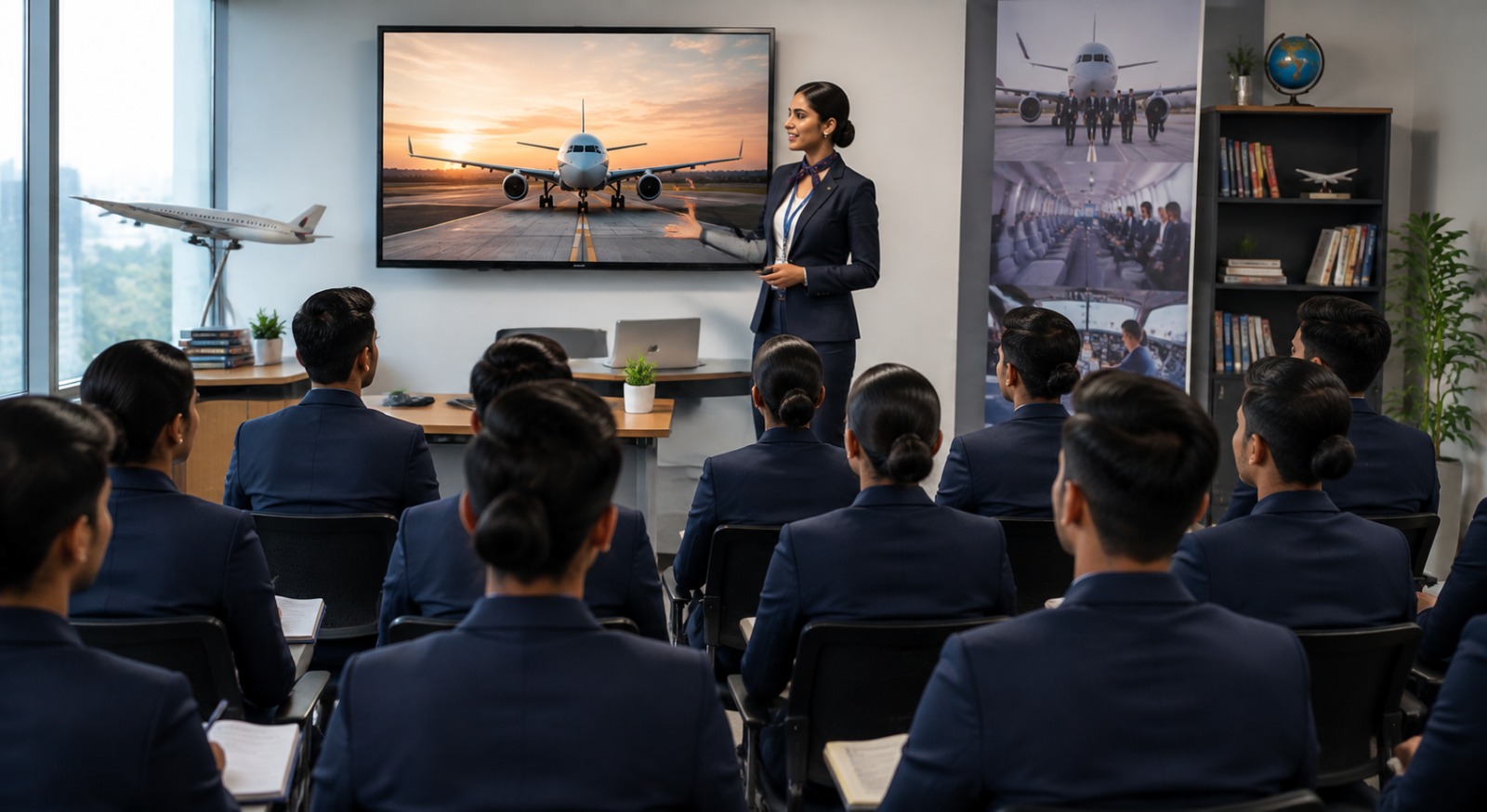
    What is learning inside the classroom like?

    Classroom learning at Amigo Academy is focused on helping students develop knowledge alongside professional skills.

    The academy describes its training approach as combining theory with industry-oriented practical sessions and personalised guidance.

    Students are encouraged to develop skills that can be useful when preparing for careers in aviation, hospitality, travel and customer service.

    What do students learn at Amigo Academy?

    Training can cover different areas depending on the programme.

    Students may develop knowledge and skills related to:

    • Communication skills
    • Grooming
    • Personality development
    • Customer service
    • Interview skills
    • Aviation and airport operations
    • Hospitality
    • Travel and tourism

    The purpose is to help students become more comfortable with professional expectations.

    Why is communication important in the classroom?

    Communication is an important part of many aviation and customer-facing careers.

    Students need to learn how to express themselves clearly, listen carefully and interact professionally with other people.

    Classroom activities and regular practice can help students become more comfortable speaking and presenting their ideas.

    Confidence often develops gradually through consistent practice.

    Learning Beyond Traditional Lectures

    Professional training is not always limited to listening to a trainer.

    Students may also participate in activities designed to improve practical understanding and professional behaviour.

    Amigo Academy states that its training includes practical learning, mentoring and additional support for students who need assistance.

    This approach helps make learning more interactive.

    Grooming and Professional Presentation

    Professional presentation is another important part of preparing for customer-facing careers.

    Students can learn about grooming, posture and professional behaviour.

    Grooming is not simply about appearance.

    It is also about understanding how to present yourself confidently and professionally in interviews and workplace situations.

    Technology and Learning

    Modern learning can also include digital resources.

    Amigo Academy states that it provides students with access to online learning resources, including educational videos, tutorials and platforms for assignments and projects.

    These resources can support classroom learning and allow students to continue developing their knowledge outside regular sessions.

    What Skills Do Students Develop?

    Professional training involves more than completing academic modules.

    Students can work on developing important workplace skills.

    AreaWhat students can develop
    COMMUNICATIONClear and professional interaction
    CONFIDENCEAbility to express themselves comfortably
    GROOMINGProfessional presentation and awareness
    TEAMWORKWorking and interacting with others
    CUSTOMER SERVICEUnderstanding professional customer interaction
    INTERVIEW SKILLSPreparation for professional opportunities

    Students who practise these skills regularly can become more comfortable in professional environments.

    The Three Things That Make Classroom Life Different

    Students preparing for professional careers often discover that learning involves more than textbooks.

    1. Learning Through Practice

    Skills such as communication and confidence improve through regular practice.

    Students get opportunities to work on how they speak, present themselves and interact with others.

    2. Developing Professional Confidence

    Many students feel nervous when they first speak in front of others.

    Regular classroom participation can help students gradually become more comfortable and confident.

    3. Preparing for the Professional World

    The classroom can help students understand the expectations of professional environments.

    Students learn that punctuality, communication, teamwork and professional behaviour can all be important in their future careers.

    More Than Just a Classroom

    Life at Amigo Academy is about learning, practising and preparing for future opportunities.

    The academy describes its infrastructure as including air-conditioned classrooms, LCD projectors, audio-visual teaching aids and student support facilities designed to support training and learning.

    For students, the classroom can become the starting point for developing the knowledge and professional skills needed for their chosen career.

    Frequently Asked Questions

    Q: What is classroom life like at Amigo Academy?

    A: Classroom life focuses on professional learning and skill development, including communication, grooming, personality development and industry-oriented training.

    Q: Does Amigo Academy provide practical training?

    A: Amigo Academy states that its training approach includes practical and industry-oriented learning alongside theoretical education.

    Q: What skills can students develop during training?

    A: Students can develop skills related to communication, professional presentation, customer service, personality development and interview preparation.

    Q: Does learning continue outside the classroom?

    A: Amigo Academy states that students can access digital learning resources, including educational videos, tutorials, assignments and projects.

    Q: Why is communication training important?

    A: Communication is important for many professional and customer-facing careers because employees need to interact clearly and professionally with customers, colleagues and employers.

    Q: Does training guarantee a job?

    A: No. Amigo Academy states that it does not provide a job guarantee, although it offers placement assistance and career-related support to students.

  • Highlights from Amigo Academy Annual Seminar 2026

    Highlights from Amigo Academy Annual Seminar 2026

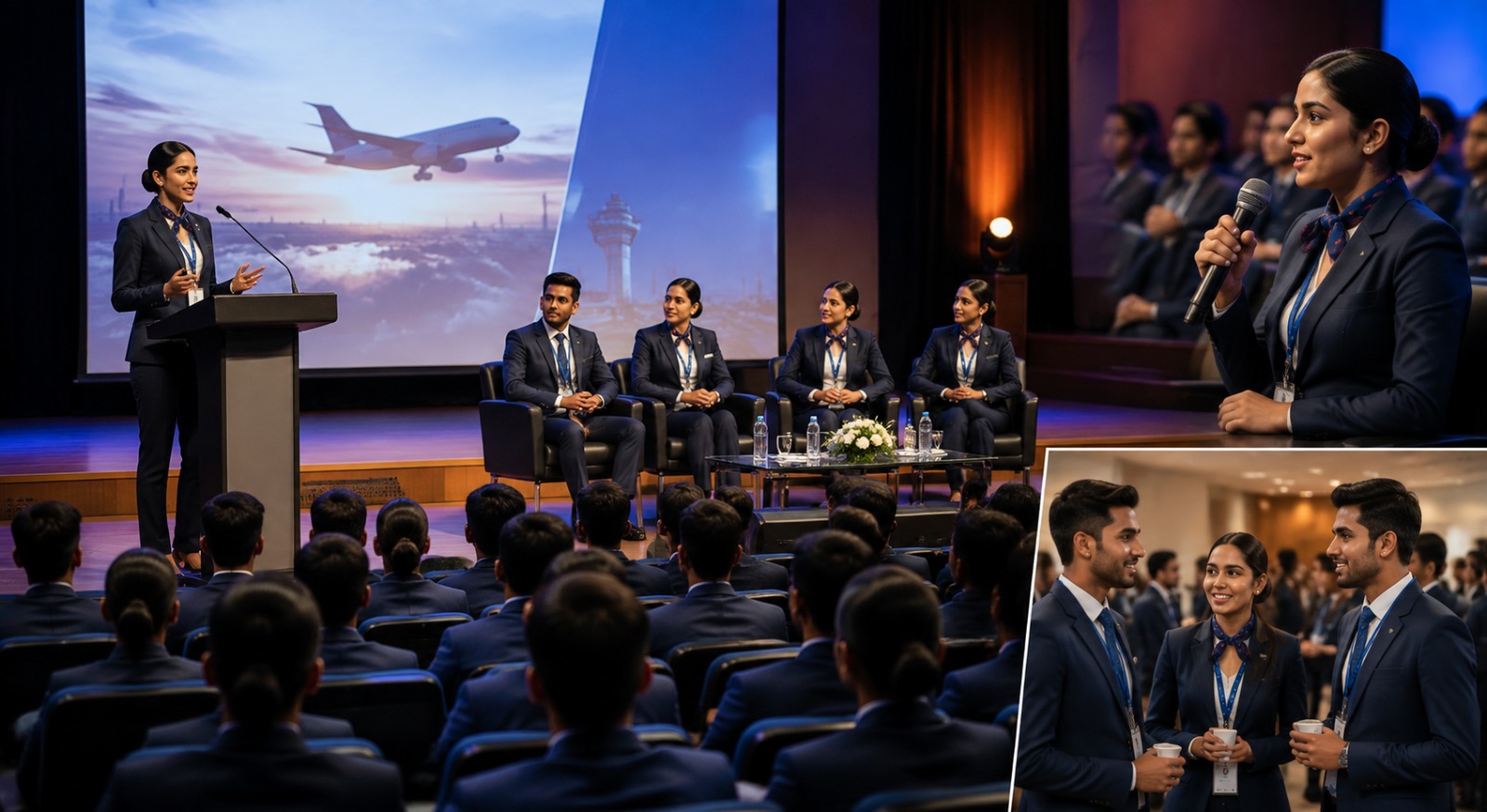
    Quick answer: Amigo Academy’s Annual Seminar 2026 brought students together to explore career opportunities, professional development, communication, confidence and the skills required for careers in aviation, hospitality and customer service.

    The annual seminar provided students with an opportunity to learn beyond the regular classroom environment.

    What was the purpose of the Annual Seminar?

    The seminar was designed to bring students together for learning, professional development and career-focused discussions.

    Amigo Academy focuses on developing skills related to aviation, hospitality, travel and customer service, along with communication and personality development.

    The seminar created an opportunity for students to think about their career goals and the professional skills they need to develop.

    Career Guidance and Industry Awareness

    One of the important aspects of a career-focused seminar is helping students understand the professional world beyond their course.

    Students can learn about:

    • Aviation career opportunities
    • Hospitality careers
    • Customer service roles
    • Professional expectations
    • Communication skills
    • Career planning

    Understanding the industry can help students make more informed decisions about their future.

    Focus on Communication and Confidence

    Communication and confidence are important skills for students preparing for customer-facing careers.

    During professional development activities, students can learn why clear communication, confidence and professional behaviour matter when interacting with employers, customers and colleagues.

    These skills are particularly relevant to careers involving aviation, hospitality and customer service.

    Professional Grooming and Presentation

    Professional presentation can also play an important role when students prepare for interviews and workplace environments.

    Students need to understand that grooming is not simply about appearance.

    It also involves professionalism, posture, communication and how confidently a person presents themselves.

    Learning Beyond the Classroom

    Amigo Academy’s training approach includes practical and professional skill development alongside classroom learning. Its programmes emphasise areas such as communication, personality development and industry-oriented training.

    Events and seminars can give students additional opportunities to engage with career-related topics.

    They can also encourage students to learn from experiences outside their regular training sessions.

    What Skills Were Important for Students?

    Career preparation involves more than completing a course.

    Students preparing for professional opportunities should continue developing important workplace skills.

    AreaWhy it matters
    COMMUNICATIONHelps students interact clearly and professionally
    CONFIDENCEHelps candidates express themselves during interviews
    TEAMWORKImportant in professional and customer-facing environments
    GROOMINGSupports professional presentation
    CUSTOMER SERVICEImportant for aviation and hospitality careers
    ADAPTABILITYHelps professionals handle changing situations

    Students who start developing these skills early can feel better prepared for future opportunities.

    The Three Important Lessons for Students

    Career seminars can provide useful reminders about professional preparation.

    1. Skills Matter Along With Qualifications

    Completing a qualification is important, but employers may also assess communication, confidence and professional behaviour.

    Students should continue developing these skills throughout their training.

    2. Career Preparation Takes Time

    Confidence and communication do not develop overnight.

    Regular practice, training and real-world learning experiences can help students improve gradually.

    3. Learning Should Continue Beyond the Classroom

    The professional world continues to change.

    Students who remain open to learning and developing new skills can better prepare themselves for future career opportunities.

    A Step Towards Future Career Goals

    The Annual Seminar 2026 represented another opportunity for students to focus on professional growth and career preparation.

    Amigo Academy has been focused on training students for careers connected with aviation, hospitality, travel and customer service since its establishment, with an emphasis on practical and professional development.

    For students, the most important takeaway is to continue learning, practising and developing the skills required for their chosen career.

    Frequently Asked Questions

    Q: What was the purpose of the Amigo Academy Annual Seminar 2026?

    A: The seminar focused on student learning, professional development, career awareness and the importance of developing skills for future career opportunities.

    Q: What careers does Amigo Academy focus on?

    A: Amigo Academy focuses on training related to aviation, hospitality, travel and customer service.

    Q: Why are seminars useful for students?

    A: Seminars can help students gain additional knowledge, understand professional expectations and explore different aspects of career development.

    Q: What skills should students develop for professional careers?

    A: Important skills include communication, confidence, teamwork, professional presentation, customer service and adaptability.

    Q: Does Amigo Academy provide practical training?

    A: Amigo Academy describes its training approach as including practical and industry-oriented learning alongside professional skill development.

    Q: Does career training guarantee a job?

    A: No. Training can help students develop relevant skills and prepare for opportunities, but final hiring decisions depend on employers and their recruitment processes. Amigo Academy states that it provides placement assistance rather than a job guarantee.

  • Amigo Academy Hosts Aviation Career Workshop

    Amigo Academy Hosts Aviation Career Workshop

    Quick answer: An aviation career workshop can help students understand different career opportunities in the aviation industry, including Cabin Crew, Airport Ground Staff, customer service and hospitality roles. Amigo Academy provides training and career guidance for students interested in building professional skills for aviation-related careers.

    Choosing a career can be confusing for students, especially when they are interested in an industry as broad as aviat

    What is an Aviation Career Workshop?

    An aviation career workshop is designed to introduce students to the aviation industry and its different career opportunities.

    Students can learn about the responsibilities, skills and professional expectations associated with different aviation-related roles.

    The workshop can help students understand that aviation offers opportunities beyond becoming an air hostess or cabin crew member.

    What Career Opportunities Can Students Explore?

    The aviation industry includes different professional roles.

    Students interested in aviation can explore areas such as:

    • Cabin Crew
    • Airport Ground Staff
    • Airline Customer Service
    • Airport Operations
    • Hospitality
    • Travel and Tourism
    • Passenger Handling

    Understanding these options can help students make more informed career decisions.

    What Does Amigo Academy Focus On?

    Amigo Academy focuses on training students for careers related to aviation, hospitality, travel and customer service. Its training approach includes areas such as communication, grooming, personality development, interview skills and practical learning.

    Career guidance and professional skill development can help students understand what employers may expect during recruitment.

    Why Are Aviation Career Workshops Useful for Students?

    Many students know they are interested in aviation but may not know which role is suitable for them.

    A workshop can help students understand:

    • Different aviation career options
    • Basic eligibility requirements
    • Important professional skills
    • Communication expectations
    • Grooming and presentation
    • Interview preparation
    • Career planning

    This information can help students make better decisions before choosing a professional course.

    What Skills Are Important for an Aviation Career?

    Aviation and customer-facing roles often require more than academic qualifications.

    Students may need to develop:

    • Communication skills
    • Confidence
    • Professional grooming
    • Customer service skills
    • Teamwork
    • Problem-solving
    • Professional behaviour
    • Interview skills

    These skills can be developed gradually through training and regular practice.

    What Do Students Learn During Career Guidance Sessions?

    Career guidance sessions can help students understand the difference between being interested in an industry and preparing for a professional role.

    Students can explore what different jobs involve and what employers may expect from candidates.

    Career AreaSkills Students May Need
    CABIN CREWCommunication, grooming, customer service and confidence
    AIRPORT GROUND STAFFPassenger handling, communication and customer service
    HOSPITALITYProfessional behaviour and customer interaction
    AIRLINE CUSTOMER SERVICECommunication, problem-solving and passenger assistance
    TRAVEL & TOURISMCustomer service, communication and industry knowledge

    Students who understand these requirements early have more time to develop the skills needed for their chosen career.

    The Three Mistakes Students Make When Choosing an Aviation Career

    Students sometimes make career decisions without understanding the industry properly.

    1. Choosing a Career Without Research

    Some students select a course simply because they like the idea of working in aviation.

    Before choosing a career path, understand the responsibilities, eligibility requirements and professional expectations.

    2. Believing Training Guarantees a Job

    Training can help students develop relevant knowledge and professional skills.

    However, final recruitment decisions are made by employers based on their own requirements and selection processes.

    3. Ignoring Communication and Professional Skills

    Students sometimes focus only on completing a course.

    Communication, confidence, grooming and professional behaviour can also play an important role in customer-facing careers.

    Frequently Asked Questions

    Q: What is an aviation career workshop?

    A: An aviation career workshop helps students understand different career opportunities in aviation and the skills required for professional roles.

    Q: Who can attend an aviation career workshop?

    A: Students interested in aviation, Cabin Crew, Airport Ground Staff, hospitality and customer service careers can benefit from career guidance workshops.

    Q: What careers can students explore in aviation?

    A: Students can explore careers such as Cabin Crew, Airport Ground Staff, airline customer service, airport operations, hospitality and travel-related roles.

    Q: Does an aviation workshop guarantee a job?

    A: No. A workshop or training programme can help students prepare, but employment depends on employer requirements and the recruitment process.

    Q: What skills are important for aviation careers?

    A: Communication, confidence, professional grooming, customer service, teamwork and problem-solving are important skills for many aviation-related roles.

    Q: Does Amigo Academy provide aviation career training?

    A: Amigo Academy provides training focused on aviation, hospitality, travel and customer service, with an emphasis on professional and practical skill development.

  • Top 10 Soft Skills Employers Look for in Freshers

    Top 10 Soft Skills Employers Look for in Freshers

    Quick answer: Employers do not look only at qualifications when hiring freshers. They also look for soft skills such as communication, teamwork, adaptability, problem-solving and a willingness to learn. These skills can show employers how well you may perform and grow in a professional workplace.

    Many freshers worry that they do not have enough work experience. The good news is that employers understand that entry-level candidates are still beginning their careers.

    What are soft skills and why do employers look for them?

    Soft skills are personal and professional abilities that affect how you work, communicate and interact with other people.

    Unlike technical skills, soft skills can be useful across different industries and job roles.

    Practical consequence: even if you have the required qualification, employers may also assess whether you can communicate professionally, work in a team and adapt to a workplace environment.

    These are skills you can start developing while you are still studying.

    1. Communication Skills

    Communication is one of the most important soft skills employers look for in freshers.

    You should be able to express your ideas clearly, listen carefully and communicate professionally with colleagues and customers.

    Good communication is not about using complicated English.

    It is about making yourself understood clearly and confidently.

    2. Teamwork

    Most jobs require employees to work with other people.

    Employers want freshers who can cooperate, share responsibilities and contribute positively to a team.

    You can develop teamwork skills through:

    • College projects
    • Group activities
    • Sports
    • Volunteer work
    • Internships

    Being able to work well with different people is valuable in almost every workplace.

    3. Adaptability

    Workplaces can change quickly.

    You may need to learn new software, follow new processes or take on different responsibilities.

    Employers value freshers who are open to learning and can adapt to new situations.

    Being flexible does not mean agreeing with everything. It means being able to handle change professionally.

    4. Problem-Solving

    Employers do not expect freshers to know every answer.

    However, they often appreciate candidates who can think about a problem and try to find a solution.

    Problem-solving involves:

    • Understanding the issue
    • Thinking logically
    • Exploring possible solutions
    • Asking for help when necessary
    • Learning from mistakes

    This skill becomes more valuable as you gain professional experience.

    5. Willingness to Learn

    Freshers are usually hired with the expectation that they will continue learning.

    A positive attitude towards learning can make a strong impression during interviews.

    Employers may prefer a candidate who is willing to learn and improve over someone who believes they already know everything.

    Stay curious and be open to feedback.

    6. Time Management

    Managing your time is an important workplace skill.

    Employees may need to handle deadlines, meetings, projects and multiple responsibilities.

    Good time management can help you:

    • Complete work on time
    • Prioritise important tasks
    • Reduce unnecessary stress
    • Stay organised

    Students can start developing this skill by managing assignments and study schedules.

    7. Confidence

    Confidence can help you communicate your ideas and handle professional situations more effectively.

    Confidence does not mean being loud or pretending to know everything.

    It means being comfortable expressing yourself and trusting your ability to learn and improve.

    Practice and preparation can help build confidence over time.

    8. Professionalism

    Professionalism affects how you behave in the workplace.

    It includes:

    • Being punctual
    • Communicating respectfully
    • Taking responsibility
    • Meeting commitments
    • Maintaining a professional attitude

    Freshers can demonstrate professionalism even before getting their first job.

    How you behave during an interview can already give employers an impression of your professional attitude.

    9. Emotional Intelligence

    Emotional intelligence involves understanding and managing your own emotions while also recognising how other people may feel.

    This can help you:

    • Handle difficult situations
    • Work with different personalities
    • Respond professionally to feedback
    • Manage disagreements

    Strong emotional awareness can be valuable in customer service, teamwork and leadership.

    10. Positive Attitude

    A positive attitude does not mean pretending that every situation is perfect.

    It means approaching challenges with a willingness to learn and find solutions.

    Employers often appreciate candidates who remain professional and constructive when things become difficult.

    A positive attitude can help freshers adapt more successfully to a new workplace.

    What soft skills do employers actually assess?

    Technical qualifications may help you get shortlisted. Your professional behaviour can help determine how employers see your potential.

    Soft SkillWhat employers may look for
    COMMUNICATIONClear speaking, listening and professional interaction
    TEAMWORKAbility to cooperate and work with others
    ADAPTABILITYOpenness to change and learning
    PROBLEM-SOLVINGAbility to think through challenges
    TIME MANAGEMENTOrganisation and ability to meet deadlines
    CONFIDENCEAbility to communicate and handle situations professionally
    PROFESSIONALISMResponsible and respectful workplace behaviour
    EMOTIONAL INTELLIGENCEAbility to understand and manage emotions
    WILLINGNESS TO LEARNOpenness to feedback and skill development
    POSITIVE ATTITUDEConstructive approach towards challenges

    If you are a fresher, you have an advantage that many candidates forget: you have time to develop these skills before and during your first job.

    The three mistakes freshers make most often when developing soft skills

    Many freshers make the same three mistakes when preparing for their careers. None of them are related to having years of work experience.

    1. Focusing only on technical skills

    Technical knowledge is important, but employers also look at how you communicate and work with other people.

    Developing both technical and soft skills can make you a stronger candidate.

    Try to improve your communication, teamwork and professional behaviour alongside your technical knowledge.

    2. Saying they have skills without examples

    Many candidates write “good communication skills” or “team player” on their resume.

    Interviewers may ask for examples.

    Think about situations from college projects, internships, volunteering or other activities where you demonstrated these skills.

    3. Avoiding feedback

    Some freshers become defensive when they receive feedback.

    Feedback can help you understand where you need improvement.

    Listen carefully, identify what you can improve and use the feedback to become better.

    Frequently Asked Questions

    Q: What are the most important soft skills for freshers?

    A: Communication, teamwork, adaptability, problem-solving, time management and willingness to learn are among the important soft skills employers often look for in freshers.

    Q: Why are soft skills important for freshers?

    A: Soft skills help employers understand how a candidate may communicate, work with others, adapt to a professional environment and handle workplace responsibilities.

    Q: Can I develop soft skills while studying?

    A: Yes. You can develop soft skills through college projects, presentations, group activities, internships, volunteering and everyday communication.

    Q: Which soft skill is most important for getting a job?

    A: Communication is important across many industries, but the most valuable skills can depend on the specific job role.

    Q: How can I show soft skills in an interview?

    A: Give real examples from your education, projects, internships or activities where you demonstrated communication, teamwork, problem-solving or other relevant skills.

    Q: Should I include soft skills on my resume?

    A: Yes, but focus on skills relevant to the job and be prepared to provide examples that demonstrate those abilities.

  • How to Write a Resume That Gets You Hired

    How to Write a Resume That Gets You Hired

    Quick answer: A resume that gets you hired is clear, relevant and easy for recruiters to understand. Focus on your skills, education, experience and achievements, and tailor your resume to the specific job you are applying for rather than sending the same document everywhere.

    Many job seekers believe that a colourful design or a long list of skills will make their resume stand out. The reality is that recruiters often want to quickly understand whether your background matches the role.

    What is a resume and why is it important?

    A resume is a professional document that summarises your education, skills, work experience and relevant achievements.

    It is often the first impression an employer has of you.

    Practical consequence: your resume should make it easy for a recruiter to understand who you are and why you may be suitable for the job.

    What should a good resume include?

    A professional resume usually includes the following important sections:

    • Contact information
    • Professional summary or career objective
    • Education
    • Work experience
    • Relevant skills
    • Certifications
    • Projects
    • Achievements

    The exact sections depend on your experience and the type of job you are applying for.

    How should you write your contact information?

    Place your basic contact details at the top of your resume.

    Include:

    • Full name
    • Phone number
    • Professional email address
    • City or location
    • LinkedIn profile if relevant

    Make sure your email address looks professional.

    Avoid using informal email addresses that may create a poor first impression.

    Should you include a career objective?

    A career objective can be useful, particularly for students, freshers and candidates with limited work experience.

    Keep it short and relevant to the role.

    Instead of writing a generic statement, explain the type of opportunity you are looking for and the skills you want to contribute.

    How should you write your work experience?

    Your work experience should clearly explain what you did and what you achieved.

    Instead of simply writing your job title, include relevant responsibilities and achievements.

    For example:

    • Assisted customers with enquiries and support.
    • Managed daily tasks and coordinated with team members.
    • Helped improve customer communication.
    • Supported projects within deadlines.

    Use clear and specific language.

    Where possible, include measurable results that demonstrate your contribution.

    How should freshers write a resume without experience?

    This is one of the biggest concerns for students and freshers.

    If you do not have full-time work experience, you can focus on:

    • Education
    • Internships
    • College projects
    • Certifications
    • Volunteer work
    • Relevant skills
    • Academic achievements

    Employers understand that freshers may not have years of professional experience.

    What skills should you include on your resume?

    Only include skills that are relevant to the job.

    For example, a digital marketing candidate may include skills related to SEO, social media, Google Ads or content marketing.

    A customer service candidate may highlight communication, problem-solving and customer handling.

    What do recruiters actually look for in a resume?

    Your qualifications may make you eligible. Your resume determines whether a recruiter wants to know more about you.

    Resume SectionWhat the recruiter is looking for
    CONTACT INFORMATIONClear and professional contact details
    CAREER OBJECTIVEYour goals and relevance to the role
    EDUCATIONRelevant qualifications
    WORK EXPERIENCEResponsibilities and achievements
    SKILLSAbilities relevant to the job
    PROJECTS & CERTIFICATIONSAdditional knowledge and practical experience

    If you are applying for jobs, you have an advantage that many candidates ignore: you can customise your resume for every important opportunity.

    The three mistakes job seekers make most often when writing a resume

    These three mistakes appear repeatedly when candidates apply for jobs. All of them can be avoided with proper preparation.

    1. Sending the same resume for every job

    Different jobs require different skills.

    Sending exactly the same resume to every employer may make your application less relevant.

    Read the job description and adjust your skills, objective and experience to match the role where appropriate.

    2. Adding unnecessary information

    A resume does not need to include everything you have ever done.

    Avoid adding irrelevant personal information, outdated skills or unnecessary details.

    Keep the focus on information that helps demonstrate your suitability for the job.

    3. Making spelling and formatting mistakes

    Small mistakes can affect the professional impression your resume creates.

    Check your:

    • Spelling
    • Grammar
    • Contact details
    • Dates
    • Formatting

    Always review your resume before sending it.

    How long should a resume be?

    For many students and freshers, a one-page resume is often enough.

    Candidates with significant professional experience may need more space.

    The goal is not to make your resume longer. The goal is to make every section useful.

    Recruiters should be able to quickly identify the most important information.

    Should you use a professional resume design?

    A clean and simple design is usually the safest option.

    Your resume should be easy to read and professionally organised.

    Avoid using too many colours, unusual fonts or complicated graphics unless they are appropriate for the specific industry.

    Good formatting should support your content rather than distract from it.

    How should you customise your resume for a job?

    Read the job description carefully before applying.

    Identify:

    1. Required skills
    2. Important responsibilities
    3. Relevant qualifications
    4. Keywords used in the job description
    5. Experience the employer values

    Then make sure your resume clearly highlights genuinely relevant experience and skills.

    Do not add false information simply to match a job description.

    Frequently Asked Questions

    Q: What makes a resume stand out to employers?

    A: A resume stands out when it is clear, relevant to the job and easy to understand. Highlighting relevant skills, experience and achievements can make your application stronger.

    Q: How long should my resume be?

    A: Students and freshers can often keep their resume to one page. More experienced professionals may require additional pages.

    Q: Should I include a photo on my resume?

    A: Whether to include a photo depends on the industry, country and employer requirements. If it is not requested, a professional resume can usually focus on your qualifications and experience.

    Q: What should a fresher include in a resume?

    A: Freshers can include education, internships, projects, certifications, relevant skills, volunteer work and academic achievements.

    Q: Should I customise my resume for every job?

    A: You should tailor important parts of your resume to match the role you are applying for, particularly your relevant skills and experience.

    Q: What is the biggest mistake people make when writing a resume?

    A: One of the biggest mistakes is sending the same generic resume to every employer without considering the specific requirements of the job.

  • Interview Preparation Tips That Actually Work

    Interview Preparation Tips That Actually Work

    Quick answer: The best interview preparation is not memorising perfect answers. It is understanding the role, practising how you communicate and preparing real examples from your experience. Candidates who perform well usually sound clear, confident and natural rather than rehearsed.

    Many people spend hours searching for “top interview questions” and memorising answers from the internet. The problem is that interviews rarely go exactly according to a script.

    What do interviewers actually look for?

    The exact requirements depend on the job, but most interviewers are trying to understand whether you can do the work and fit professionally into the organisation.

    They may assess:

    • Communication
    • Confidence
    • Relevant skills
    • Problem-solving ability
    • Professional behaviour
    • Knowledge of the role
    • Motivation
    • Ability to handle situations

    Practical consequence: you do not need to know every possible interview question. You need to be prepared to explain who you are, what you can do and why you are suitable for the role.

    How should you prepare before an interview?

    Start by understanding the job description properly.

    Read the responsibilities and identify the skills the employer is looking for. Then think about examples from your education, previous work, internships or personal projects that demonstrate those skills.

    You should also research the company before the interview.

    Understand:

    • What the company does
    • Its products or services
    • The role you are applying for
    • Basic information about the industry
    • Why you want to work there

    This preparation helps you give more relevant answers.

    Should you memorise interview answers?

    Not completely.

    Memorising every word can make your answers sound unnatural. If the interviewer changes the question slightly, you may also struggle to respond.

    Instead, prepare the main points you want to communicate.

    For example, for “Tell me about yourself,” know:

    • Your background
    • Your education or experience
    • Relevant skills
    • Your career interests
    • Why you are applying

    Then explain these points naturally.

    How important is practising before an interview?

    Practice can make a significant difference.

    You may know the answer in your mind but struggle to explain it clearly when sitting in front of an interviewer.

    Practice by:

    • Speaking answers aloud
    • Recording yourself
    • Doing mock interviews
    • Practising with a friend
    • Improving your eye contact and posture

    The goal is not to become robotic. The goal is to become comfortable speaking about yourself.

    What should you know about the job before attending?

    You should understand the role you are applying for.

    Many candidates make the mistake of attending an interview without properly reading the job description.

    Before the interview, ask yourself:

    • What will I actually be doing?
    • What skills does this role require?
    • Why am I suitable?
    • What challenges might I face?
    • Why do I want this job?

    Being able to answer these questions clearly shows preparation.

    What do interviewers actually assess?

    Your qualifications may help you get shortlisted. Your interview performance can determine whether you move forward.

    StageWhat is being assessed
    FIRST IMPRESSIONProfessional appearance, confidence and punctuality
    INTRODUCTIONCommunication and ability to explain yourself
    ROLE QUESTIONSUnderstanding of the job and relevant skills
    SITUATIONAL QUESTIONSProblem-solving and decision-making
    BEHAVIOURAL QUESTIONSPast experiences and professional behaviour
    FINAL DISCUSSIONMotivation, interest and overall suitability

    If you have an interview coming up, you have an advantage that many candidates ignore: time to practise.

    The three mistakes candidates make most often in interviews

    These three mistakes appear repeatedly during interviews. The good news is that all of them can be improved with preparation.

    1. Giving memorised answers

    Candidates sometimes memorise answers word-for-word from the internet.

    This can make them sound unnatural and can create problems when the interviewer asks a follow-up question.

    Understand your answers instead of memorising a script.

    2. Not researching the company

    Walking into an interview without knowing what the company does can create a poor impression.

    Spend some time understanding the organisation, its services and the role you want.

    Even basic research can help you answer questions more confidently.

    3. Speaking without giving examples

    Saying “I am hardworking” or “I am a good team player” is easy.

    Interviewers often want evidence.

    Use examples from your studies, work, internships or projects to show how you have demonstrated a skill.

    How can you answer difficult interview questions?

    Stay calm and listen carefully to the question.

    You do not need to answer immediately. Taking a few seconds to think is completely acceptable.

    Try to:

    1. Understand the question.
    2. Think about a relevant example.
    3. Answer clearly.
    4. Keep your answer focused.
    5. Explain what you learned when relevant.

    Clear answers are usually better than long and complicated answers.

    How should you prepare your body language?

    Communication is not only about words.

    During an interview, pay attention to:

    • Sitting posture
    • Eye contact
    • Facial expressions
    • Hand movements
    • Listening carefully
    • Speaking clearly

    You do not need to act differently from your natural personality. Focus on appearing attentive, professional and comfortable.

    What should you do the day before an interview?

    Prepare everything in advance.

    Check:

    • Interview location or meeting link
    • Interview time
    • Your documents
    • Your clothing
    • Your resume
    • Travel time
    • Basic company information

    Avoid last-minute preparation where possible.

    Getting enough rest can also help you feel more focused.

    Frequently Asked Questions

    Q: What is the best way to prepare for an interview?

    A: Understand the job role, research the company, prepare examples from your experience and practise answering questions aloud.

    Q: Should I memorise interview answers?

    A: No. Prepare key points instead of memorising every word. This helps you sound more natural and respond better to follow-up questions.

    Q: How can I improve my confidence before an interview?

    A: Practice speaking aloud, participate in mock interviews and prepare thoroughly. Confidence often improves when you know what to expect.

    Q: What should I say when the interviewer asks “Tell me about yourself?”

    A: Briefly explain your background, education or experience, relevant skills and why you are interested in the opportunity.

    Q: What is the biggest mistake in an interview?

    A: One common mistake is attending without understanding the company or job role. Another is giving memorised answers without being able to explain them naturally.

    Q: How many times should I practise before an interview?

    A: Practise until you can explain your experience and skills comfortably without sounding like you are reading a memorised script.

  • Top AI Tools Every Student Should Know in 2026

    Top AI Tools Every Student Should Know in 2026

    Quick answer: The top AI tools every student should know in 2026 can help with studying, research, writing, presentations, coding and productivity. Tools such as ChatGPT, Google Gemini, Microsoft Copilot, Perplexity, NotebookLM and Canva AI can make learning easier when used responsibly.

    If you are a student in 2026, you do not need to learn every AI tool available online. The first thing to understand is that AI tools are designed to assist your learning, not replace your knowledge and thinking.

    What are AI tools and why should students know about them?

    AI tools are software platforms that use artificial intelligence to help users complete different tasks. Students can use them for learning, research, writing, creativity, organisation and technical skills.

    Practical consequence: if you learn how to use AI tools properly, you can save time and improve your productivity. However, you should still understand the subject yourself instead of depending completely on AI-generated answers.

    What can AI tools actually help students do?

    Worth being clear about. AI tools can support learning and productivity, but they should not be treated as a replacement for teachers, books or independent thinking.

    • Studying: explaining difficult concepts and helping students understand topics.
    • Research: helping students explore subjects and find relevant information.
    • Writing: improving grammar, structure and clarity.
    • Presentations: helping create ideas, designs and visual content.
    • Organisation: managing notes, projects and study plans.
    • Coding: helping students understand programming concepts and solve technical problems.

    Which AI tools should every student know in 2026?

    Students do not need to use every AI platform. The right tool depends on what you want to do.

    Some of the most useful AI tools students should know include ChatGPT, Google Gemini, Microsoft Copilot, Perplexity, NotebookLM and Canva AI.

    You should choose tools based on your actual requirements rather than downloading every new AI application.

    Is ChatGPT useful for students?

    ChatGPT can be useful for students who want help understanding difficult concepts, generating ideas and organising their learning.

    Students can use ChatGPT for:

    • Explaining difficult topics
    • Creating study plans
    • Generating practice questions
    • Brainstorming ideas
    • Improving writing
    • Understanding concepts
    • Learning basic coding

    However, students should not simply copy answers without understanding them.

    What is Google Gemini useful for?

    Google Gemini can help students with research, learning, writing and productivity-related tasks.

    Students can use it to explore topics, generate ideas and understand information more easily.

    What is Perplexity useful for?

    Perplexity can be particularly useful for students who want to research a topic and explore information from different sources.

    Students can use it for:

    • Topic research
    • Exploring current information
    • Finding sources
    • Comparing information
    • Understanding complex subjects

    For academic assignments, students should always check the original sources before using information.

    What is NotebookLM useful for?

    NotebookLM can be useful for students working with notes, documents and study material.

    It can help students:

    • Organise study material
    • Summarise notes
    • Understand documents
    • Generate questions
    • Review important topics

    This can be particularly useful when preparing for examinations or working with large amounts of study material.

    What is Canva AI useful for?

    Canva AI can help students create visual content for projects and presentations.

    Students can use it for:

    • Presentations
    • Posters
    • Infographics
    • College projects
    • Visual assignments
    • Creative content

    Good visual communication can help students present their ideas more effectively.

    What do AI tools actually help students with?

    Knowing the name of an AI tool is useful, but understanding which tool to use for a specific task is more important.

    AI ToolWhat students can use it for
    CHATGPTLearning, explanations, ideas and study assistance
    GOOGLE GEMINIResearch, writing and productivity
    MICROSOFT COPILOTProductivity, documents and assistance
    PERPLEXITYResearch and source exploration
    NOTEBOOKLMNotes, documents and study material
    CANVA AIPresentations, design and visual projects

    If you are a student in 2026, you have an advantage that previous generations did not: access to powerful learning tools. The important thing is learning how to use them correctly.

    The three mistakes students make most often when using AI tools

    Students often make the same three mistakes when they start using AI tools. None of them are about not having access to expensive technology. They are skills that can be developed with practice.

    1. Copying without understanding

    Students sometimes copy AI-generated answers directly into assignments or projects.

    This may save time temporarily, but it does not help you understand the subject. AI should help you learn, not do all your thinking for you.

    A better approach is to ask the AI tool to explain the topic and then write your answer based on your own understanding.

    2. Trusting every answer

    AI tools can sometimes provide incorrect, incomplete or outdated information.

    Students should verify important facts, statistics and academic information before using them.

    Checking reliable sources is an important skill when working with AI.

    3. Using AI for everything

    Some students become dependent on AI tools for even simple tasks.

    AI should improve your productivity, but you should continue developing your own writing, research, communication and problem-solving skills.

    The best students will learn how to combine AI tools with human thinking.

    Frequently Asked Questions

    Q: Which is the best AI tool for students in 2026?

    A: There is no single best AI tool for every student. ChatGPT can help with learning and explanations, Perplexity can support research, NotebookLM can help with study material and Canva AI can be useful for presentations.

    Q: Can students use AI tools for studying?

    A: Yes. AI tools can help students understand difficult concepts, organise notes, create study plans and generate practice questions.

    Q: Can I use AI for school or college assignments?

    A: You should follow the academic policies of your school or college. AI can help with research and learning, but submitting AI-generated work as your own may not be permitted.

    Q: Which AI tool is best for research?

    A: AI-powered research tools such as Perplexity can help students explore topics and find information. Important information should always be verified using reliable original sources.

    Q: Which AI tool is best for presentations?

    A: Canva AI can be useful for students creating presentations, posters and visual projects.

    Q: Should every student learn how to use AI?

    A: Basic AI knowledge can be useful because artificial intelligence is becoming increasingly important in education and workplaces. Students should learn how to use AI responsibly while continuing to develop their own knowledge and critical-thinking skills.

  • AI vs Machine Learning vs Data Science: What the Difference?

    AI vs Machine Learning vs Data Science: What the Difference?

    Quick answer: Artificial Intelligence (AI), Machine Learning and Data Science are closely connected, but they are not the same thing. AI is the broader field of creating systems that can perform tasks associated with human intelligence. Machine Learning is a part of AI that helps systems learn patterns from data. Data Science focuses on collecting, analysing and interpreting data to generate useful insights and solve problems.

    If you are interested in technology and searching for an AI or Data Science career, you may see these three terms used together frequently. The first thing to understand is that learning AI does not automatically mean you are studying Machine Learning, and learning Data Science does not necessarily mean you are building AI systems.

    These fields overlap in many areas, which is why students often find them confusing. However, each field has a different primary purpose and requires a different combination of skills.

    Is AI the same as Machine Learning and Data Science?

    Mostly no, and the difference is important to understand before choosing a course or career path.

    Artificial Intelligence is the broadest of the three concepts. Machine Learning is one area within AI, while Data Science is a broader field focused on working with data and can use Machine Learning and AI techniques as part of its work.

    What does Artificial Intelligence actually do?

    Worth being clear about. Artificial Intelligence involves creating systems that can perform tasks that usually require aspects of human intelligence.

    AI systems can be designed to analyse information, recognise patterns, understand language, generate content and support decision-making.

    • Understanding information: AI systems can process large amounts of information.
    • Recognising patterns: AI can identify patterns in images, text and other types of data.
    • Language: AI can work with human language through chatbots and language-processing systems.
    • Decision support: AI can help analyse information and support decisions.
    • Content generation: Generative AI can create text, images, code and other content.
    • Automation: AI can help automate certain repetitive tasks and workflows.

    If this sounds like an area you would enjoy, Artificial Intelligence provides a broad field with different specialisations to explore.

    What is Machine Learning, and how is it different from AI?

    Machine Learning is generally considered a part of Artificial Intelligence.

    Instead of programming every possible rule manually, Machine Learning systems can learn patterns from examples and data.

    For example, a Machine Learning model may analyse previous information to identify patterns and make predictions.

    Machine Learning can be used for:

    • Classification
    • Predictions
    • Recommendation systems
    • Pattern recognition
    • Fraud detection
    • Image recognition

    What does a Data Scientist actually do?

    Worth being realistic about. Data Science is not simply about creating charts or collecting information.

    Data Scientists and data professionals work with information to identify patterns, generate insights and support decision-making.

    Depending on the role, Data Science can involve:

    • Data collection: gathering relevant information from different sources.
    • Data cleaning: preparing information for analysis.
    • Data analysis: identifying patterns and trends.
    • Statistics: understanding relationships and interpreting results.
    • Data visualisation: presenting information through charts and dashboards.
    • Machine Learning: using models when prediction or pattern recognition is required.

    Do you need to learn all three fields?

    You generally do not need to become an expert in AI, Machine Learning and Data Science at the same time.

    The best learning path depends on the type of work you are interested in.

    A student interested in AI applications may begin with AI fundamentals and programming. Someone interested in building predictive models may focus more heavily on Machine Learning. A student interested in analysing information and finding business insights may focus on Data Science and analytics.

    Do you need to be good at mathematics?

    This is one of the questions students ask most, and it deserves a practical answer rather than a simple yes or no.

    The level of mathematics required depends on the area you want to study.

    Data analysis and beginner-level AI applications may require different mathematical knowledge compared with advanced Machine Learning or AI research.

    Areas that can become important include:

    • Basic mathematics
    • Statistics
    • Probability
    • Logical thinking
    • Analytical problem-solving

    If you are interested in these fields, do not assume that you must already be an expert in mathematics before you start learning.

    What we tell students who are confused about which field to choose

    If you are confused between AI, Machine Learning and Data Science, you should not choose a field simply because one title sounds more popular.

    Being a beginner means you have an opportunity to explore the fundamentals before specialising.

    You can begin by learning basic programming, understanding data and exploring AI concepts. As you gain experience, it may become easier to identify whether you enjoy analysing data, building models or working on broader AI applications.

    Can students from non-technical backgrounds learn AI, Machine Learning or Data Science?

    Yes. Students from different educational backgrounds can begin learning about AI, Machine Learning and Data Science.

    However, the technical requirements can vary depending on the career path you choose.

    A student interested in AI tools, business applications or data analytics may begin with different skills compared with someone who wants to build advanced Machine Learning systems.

    Technical roles can require stronger knowledge of:

    • Programming
    • Mathematics
    • Statistics
    • Data structures
    • Analytical thinking

    If you are from a non-technical background, you can start by understanding the fundamentals and gradually develop the technical skills required for the path you choose.

    What skills are actually different between AI, Machine Learning and Data Science?

    Understanding the differences can make it easier to choose what you want to learn.

    FieldMain FocusCommon Skills
    ARTIFICIAL INTELLIGENCECreating intelligent systems and applicationsAI concepts, programming, problem-solving, algorithms
    MACHINE LEARNINGTraining systems to learn patterns from dataPython, mathematics, statistics, model development
    DATA SCIENCEAnalysing data to generate insights and solve problemsData analysis, statistics, Python, visualisation

    The three fields often overlap, which is why professionals may develop skills from more than one area.

    If you are beginning your journey, you have an advantage that many students overlook: you can build the fundamentals before deciding on a specialisation.

    The three mistakes students make when choosing between AI, Machine Learning and Data Science

    Students often make similar mistakes when choosing a technology course. Most of these mistakes are not about intelligence or academic background. They are about choosing a path without understanding what the work actually involves.

    1. Choosing based only on the job title

    Students sometimes choose AI, Machine Learning or Data Science simply because they have heard that a particular field has good career opportunities.

    A job title alone does not explain what skills you will need or what type of work you will enjoy.

    Understanding programming, data, mathematics and problem-solving requirements can help you make a more informed decision.

    2. Assuming all three fields are exactly the same

    AI, Machine Learning and Data Science are connected, but they have different primary purposes.

    Trying to understand the relationship between them can help you choose the right learning path.

    You do not need to master every area immediately. Start with the fundamentals and gradually explore the areas that interest you most.

    3. Learning theory without practical projects

    A student may understand definitions but never apply their knowledge.

    Practical projects can help you understand how these fields work in real situations.

    Try working on projects involving:

    • Data analysis
    • Python programming
    • Machine Learning models
    • AI applications
    • Data visualisation

    Building projects can also help you demonstrate your practical knowledge.

    Frequently Asked Questions

    Q: What is the main difference between AI, Machine Learning and Data Science?

    A: AI is the broad field of creating intelligent systems. Machine Learning is a part of AI that focuses on learning patterns from data. Data Science focuses on collecting, analysing and interpreting data to generate useful insights.

    Q: Is Machine Learning part of AI?

    A: Yes. Machine Learning is generally considered a branch or approach within the broader field of Artificial Intelligence.

    Q: Is Data Science part of AI?

    A: Not exactly. Data Science is a broader field focused on working with data. It can use AI and Machine Learning techniques, but not all Data Science work involves Artificial Intelligence.

    Q: Which is easier to learn: AI, Machine Learning or Data Science?

    A: The difficulty depends on your background and the area you want to study. Beginners can start with programming and data fundamentals before moving towards more advanced AI or Machine Learning concepts.

    Q: Do I need coding for AI and Machine Learning?

    A: Coding is important for many technical AI and Machine Learning roles. Python is widely used for working with data, Machine Learning and AI applications.

    Q: Can students from non-technical backgrounds learn Data Science?

    A: Yes. Students from different backgrounds can begin learning Data Science fundamentals. Depending on the career path, they may need to gradually develop programming, statistics and analytical skills.

    Q: Which career should I choose: AI, Machine Learning or Data Science?

    A: The best choice depends on your interests. If you enjoy intelligent systems and AI applications, AI may interest you. If you enjoy building predictive models, Machine Learning may be suitable. If you enjoy analysing data and finding insights, Data Science may be a better fit.